
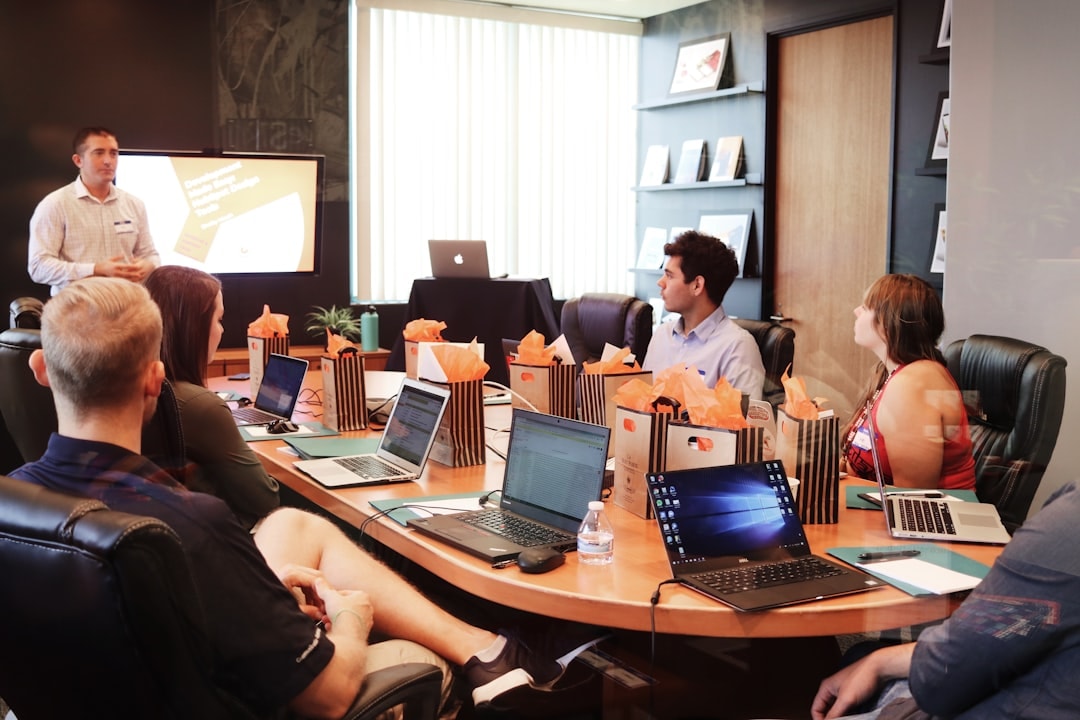
Photo by Campaign Creators on Unsplash
A Business Ownership Coach helps aspiring owners move from interest to execution. That means choosing the right path, understanding risk, getting financing lined up, and avoiding the common mistakes that sink first-time buyers.
If you are weighing business acquisition, franchising, SBA funding, or even how business ownership compares with real estate, the biggest takeaway is simple. Ownership can create cash flow and long-term equity faster than many traditional paths, but only if you pick the right opportunity and do the work.
What does a Business Ownership Coach actually do?

A good Business Ownership Coach helps you connect four pieces that usually get treated separately:
- Opportunity fit, meaning what business model actually matches your background
- Capital strategy, including SBA loans, seller financing, or other funding options
- Due diligence, so you understand what you are buying
- Ownership readiness, so you can operate and grow the business after closing
That matters because buying a business is not just about finding a profitable listing. It is about matching the right buyer to the right deal.
Business acquisition vs franchise: which path makes more sense?

This is one of the most common questions a Business Ownership Coach gets.
Buying an existing business
This route can provide immediate cash flow, existing customers, trained employees, and a clear operating history. It can also create equity if you improve revenue and profitability before selling later.
But it comes with more moving parts. You need to assess operations, financials, lender requirements, and whether your experience transfers to that industry.
Buying a franchise
Franchising can work well for people moving out of a W-2 role because it offers systems, training, coaching, and a proven operating model. In many cases, that support acts like training wheels.
The tradeoff is that you follow the system and usually pay royalties. A franchise is not passive. It still requires execution, local marketing, and leadership.
In short:
- Acquisition can offer faster cash flow if the fit is right
- Franchise can offer more structure if you need support and a playbook
Why so many first-time business buyers fail

A strong Business Ownership Coach will tell you this early: excitement is not readiness.
Common reasons buyers fail before they ever close include:
- No clear criteria. Saying you are open to any good deal is not a strategy.
- Ignoring experience fit. A lender may like the business, but not you as the operator.
- No capital plan. You need proof of funds, a down payment source, or a lending roadmap.
- Trying to buy absentee from day one. That is often unrealistic.
- Shopping too far from home. Many local service businesses need an owner nearby.
The right question is not only, “Does this business fit my buy box?” It is also, “Do I fit this business as the buyer?”
What lenders want to see before approving a deal

When a Business Ownership Coach discusses financing, especially SBA lending, buyer quality matters just as much as deal quality.
Lenders typically care about:
- Relevant or transferable experience
- Available down payment
- Credit quality
- Collateral and liquidity
- A realistic operating plan
One major issue is industry mismatch. For example, someone with an IT background may struggle to win approval for a landscaping or blue-collar service business without a partner, key operator, or structure that bridges the experience gap.
This is why preparation matters. If you want to explore SBA options, a practical next step is to book an SBA discovery call.
How SBA financing can help you buy your first business

SBA financing is one of the most flexible tools a Business Ownership Coach can help you use.
Based on the source material, SBA funding can be used for more than just one purchase. It can help you:
- Buy a business
- Launch certain franchise models
- Expand an existing business
- Potentially finance owner-occupied real estate tied to the business
A simple growth path might look like this:
- Start with a lower-overhead business model
- Use SBA financing to get in with a modest cash injection
- Grow cash flow and operations
- Expand into a building or second location later
- Acquire another business in the same lane once your track record is stronger
If you want a deeper introduction, the SBA financing course preview is a useful starting point.
Why business ownership can outperform the usual W-2 path

A Business Ownership Coach looks beyond replacing a paycheck. The real upside is ownership.
A high-income job can produce a strong lifestyle, but in many cases the long-term asset build is limited to savings and retirement accounts. A well-run business can do more than pay you. It can create an asset you may later sell.
That is why business ownership often appeals to people who want:
- Faster cash flow potential
- Control over income
- Equity creation through growth
- An exit opportunity later
That does not mean it is easier than real estate. It usually involves more risk and more work. But the upside can be much larger if you execute well.
The best business owners usually have these traits

The source material repeatedly pointed to the same qualities. A successful Business Ownership Coach will push you to build them too:
- Discipline
- Willingness to do repetitive work
- Constant learning
- Coachability
- Action taking
There is no secret pill. The edge comes from showing up, learning, refining your criteria, and taking intelligent action.
How to prepare before you talk to brokers, franchisors, or lenders

Before reaching out, have answers to these questions:
- How much cash can you put down?
- What is your credit profile like?
- What industries match your background?
- How close do you need the business to be?
- Can you read an income statement, balance sheet, and cash flow statement?
- Do you want a startup franchise, a resale, or a traditional acquisition?
If you are still figuring that out, joining a learning community can help. Relevant options include Business Ownership Academy and the business ownership newsletter.
A practical ownership framework: business, real estate, and taxes

One of the more useful frameworks from the source material is the idea that wealth building works best when you understand three things together:
- Operating businesses
- Real estate ownership
- Tax strategy
A Business Ownership Coach using this approach is not just helping you buy a job. The goal is to help you create cash flow, expand intelligently, and use ownership to improve long-term financial outcomes.
Mistakes to avoid if you want to become a business owner

- Assuming passive income is easy
- Buying outside your skill set without a support plan
- Underestimating working capital needs
- Ignoring due diligence and validation
- Failing to follow the system in a franchise
- Consuming content without taking action
If you need operational leverage while building, a resource like a virtual assistant service can be relevant once your business has defined processes.
Final takeaway
A Business Ownership Coach should help you narrow the noise, get qualified, and build an ownership plan that matches your skills and goals.
The biggest opportunity is not chasing hype. It is becoming a ready, willing, and able buyer or operator. That means learning the numbers, understanding financing, choosing a business model that fits, and staying close enough to the operation to lead it well.
If that is the direction you want to take, the most practical next step is to book a call and map out the right ownership path before you start shopping blindly.
Additional Resources

- SBA financing course preview
- Business Ownership Academy
- Weekly business ownership newsletter
- Virtual assistant resource
- SBA discovery call