
Business Ownership Coach | Investor Financing Podcast — I break down a proven path for entrepreneurs and real estate investors who want to combine an early education franchise with commercial real estate ownership. Build a school from the ground up, control the tenant, and capture both operating cash flow and long-term real estate appreciation. This article lays out the why, the how, the financing, and the common pitfalls so you can structure a deal that scales.
Why build a new school instead of buying an existing one?
Existing buildings rarely meet franchise design, licensing, or safety specifications. When you start ground up you get to choose the market, design a space that meets state licensing and franchise standards, and size classrooms and outdoor areas for optimal enrollment. In many fast-growing suburbs supply trails demand; if you secure the right parcel and the right brand, the center can fill quickly—even before opening day.
Owning the building removes lease risk, creates an appreciating asset, and gives you options: sell the business and keep the real estate, refinance to pull equity while maintaining cash flow, or lease to another operator. That separation of business and property is the difference between earning a salary and building an institutional-quality portfolio.

Photo by Ayelt van Veen on Unsplash
Why early education franchises are such a strong investment
Parents continue to prioritize early childhood development and reliable care regardless of the economic cycle. Strong franchises deliver curriculum, operations playbooks, licensing support, and real estate guidance. Brands like Kitty Academy, The Learning Experience, Primrose, and Lightbridge are examples of operators that systematize enrollment and programming.
Why this matters for investors: childcare tenants are sticky. Once licensed and fully enrolled, turnover is low. Lease terms backed by owner operators—especially when SBA financing is involved—are attractive to capital markets, compressing cap rates and increasing property value.
Financing the build: SBA 7(a) and SBA 504 explained
There are two complementary SBA solutions that most developers combine to finance both the business and the real estate.
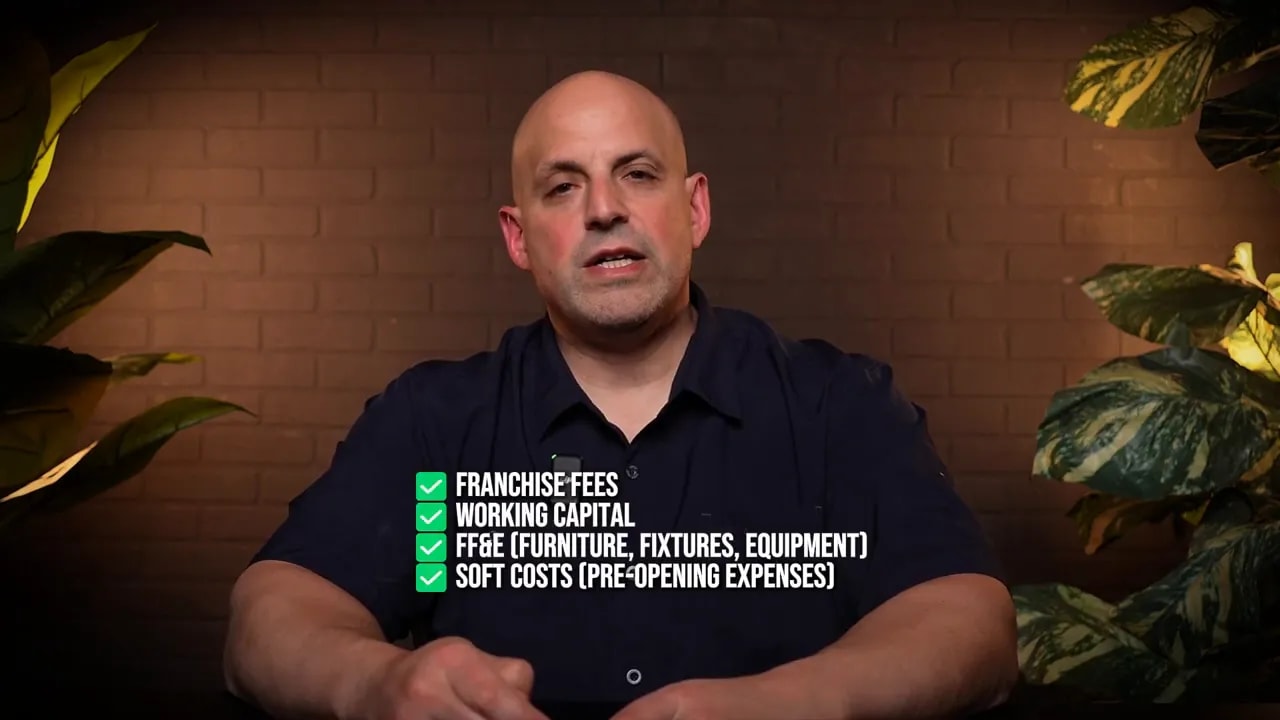
SBA 7(a): Fund the business side
The 7(a) loan can cover franchise fees, working capital, furniture, fixtures, and equipment, plus pre-opening soft costs. Typical loan sizes go up to about $5 million with a down payment of roughly 10 to 15 percent. Terms can extend to 25 years when real estate is involved. Rates are often variable (prime plus a margin), though some banks offer a fixed-rate option.
SBA 504: Land acquisition and construction
The 504 loan is engineered for real assets: land, construction, and building improvements. Loan sizes commonly range from $2 million up to $20 million or more; down payments are similar, generally 10 to 15 percent, and the CDC portion of the loan carries a fixed rate. The 504 is what developers use to build shopping centers, hotels, and schools.
Most deals combine both loans: use 7(a) for the business pre-op and soft costs, and 504 for the land and build. Together they let you fund nearly 100 percent of the total project with leverage split across two strategic vehicles.
Structuring ownership: operator, landlord, or both
Photo by Nwar Igbariah on Unsplash
There are three common ways to play this:
- Operator-owner: you run the franchise and own the building. You get operating profits plus real estate appreciation.
- Developer-landlord: you build and lease the building to a franchisee or partner. You earn stable rental income without day-to-day ops.
- Hybrid partner: you partner with an owner-operator to qualify for SBA loans while keeping an ownership stake in the property.
If you plan to be a passive investor, locking in a long-term, SBA-backed lease to an owner-operator can provide low volatility cash flow. If you plan to operate, separating entities—one owning the business and one owning the real estate—lets you monetize each independently later.
Scaling and exit strategies that build lasting wealth

Photo by Boris Busorgin on Unsplash
A common growth path is repeatable: build a first center, prove enrollment and operations, then refinance to pull equity and repeat at new sites. Over time you can sell the individual businesses while keeping the buildings, or sell assets to institutional buyers who value long-term, stable leases at compressed cap rates.
Result: a portfolio of income-producing real estate backed by resilient tenants, financed with SBA leverage rather than only equity or conventional debt.
Top mistakes to avoid

Photo by Boris Busorgin on Unsplash
- Buying land not zoned for educational use.
- Failing to involve the franchisor early in site selection and design.
- Underestimating pre-opening working capital needs.
- Presenting lenders with weak pro formas or no comparable market data.
- Treating this like a small retail lease instead of a development project.
Packing the right team—planner, franchise rep, lender, and architect—is essential to get a lender-friendly package and a timely build.
How I help entrepreneurs and investors
I work with people to evaluate markets, choose fundable franchise brands, and structure deals that combine SBA 7(a) and 504 financing. That means building realistic pro formas, lining up the right lending partners, and navigating franchisor site approval so the project closes on time.
If you want to move beyond being a business owner to becoming a landlord with a built-in tenant and long-term upside, structuring the right financing and ownership split is the most important step. As a Business Ownership Coach | Investor Financing Podcast host I guide investors through these exact decisions so they maximize value and minimize execution risk.

Photo by Boris Busorgin on Unsplash
Key takeaways
- Ground-up construction gives you the best locations and licensing-compliant designs.
- Owning the building creates a second income stream and long-term appreciation.
- Combine SBA 7(a) for the business and SBA 504 for the real estate to finance a full deal.
- Childcare tenants are sticky; long-term leases backed by operators are attractive to investors.
- A packaged development plan and early franchisor involvement are mission-critical.