
Business Ownership Coach | Investor Financing Podcast often centers on one core question: what kind of business offers structure, recurring demand, and long-term ownership value without requiring a highly complex startup from scratch? For many buyers, a B2B hospitality franchise stands out because it serves hotels, resorts, and large hospitality properties with specialized outsourced services that operators treat as essential, not optional.
If you are exploring franchise ownership, a second-career business, or a more stable B2B model, this guide explains how this type of hospitality franchise works, who it fits best, what makes the model attractive, and what to evaluate before moving forward.
What Is a B2B Hospitality Franchise?
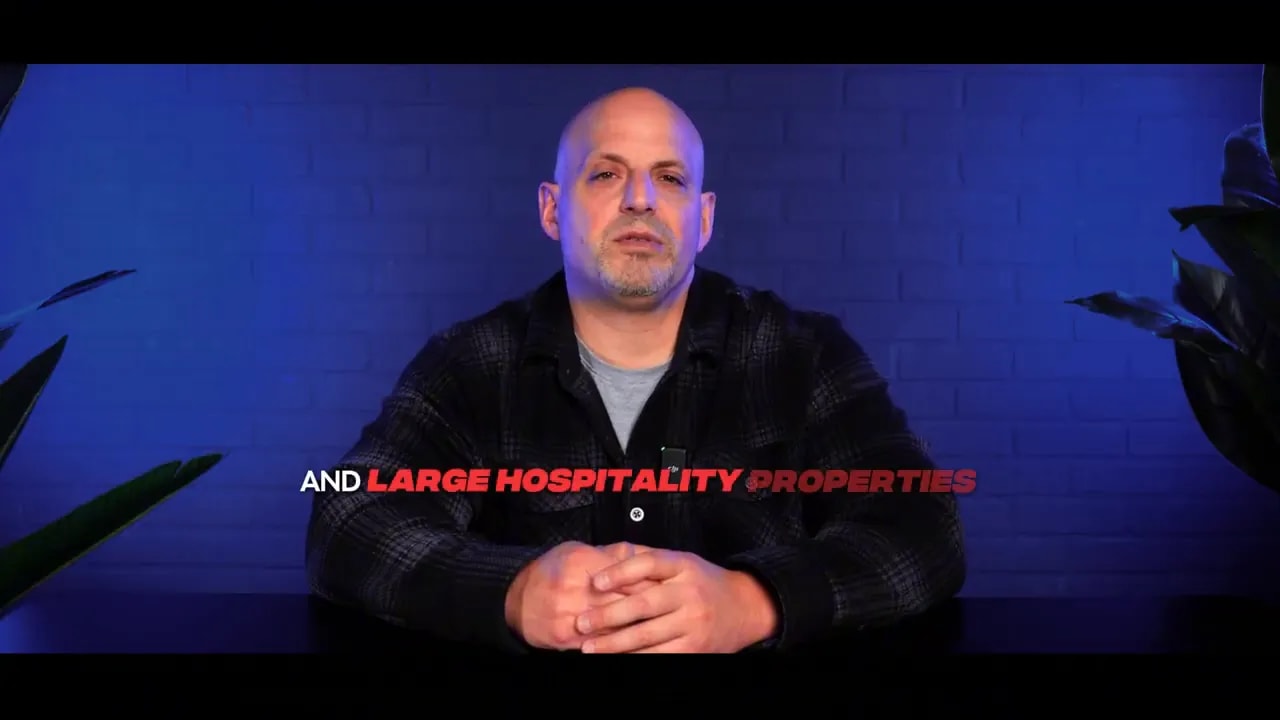
A B2B hospitality franchise is a business that sells specialized services to hotels, resorts, and other large hospitality properties rather than to individual consumers. The model discussed in Business Ownership Coach | Investor Financing Podcast focuses on outsourced technical services that help hospitality operators maintain standards tied to:
- Guest satisfaction
- Brand reputation
- Asset preservation
- Operational efficiency
This matters because many hospitality companies prefer outsourcing specialized work instead of managing it internally. When a service directly affects quality, consistency, and property performance, it tends to create ongoing client relationships rather than one-time transactions.
That B2B dynamic is a major reason this category appeals to experienced operators and franchise buyers.
Why This Franchise Model Appeals to Experienced Owners

Business Ownership Coach | Investor Financing Podcast highlights a specific owner profile. This is not positioned as a trend-driven concept for someone chasing the newest consumer fad. It is better suited for people who want a business with systems, professionalism, and meaningful ownership.
Common fit profiles include:
- Corporate leaders who want more control and direct ownership
- Retirees who are not ready to stop building something
- Experienced managers who know how to lead teams and follow systems
- Operators who want support from a franchise system without being isolated
Many buyers in this category are looking for more than income. They want a business that gives them purpose, structure, and the chance to build equity over time.
This is an important distinction. Some franchises sell excitement. This type of model tends to sell reliability, reputation, and operational clarity.
How the Business Model Works

The appeal of this model comes from several business fundamentals that experienced buyers often prioritize.
1. Recurring revenue potential
When hospitality clients need ongoing specialized services, repeat business becomes more likely. This can create steadier revenue than a model dependent on one-off consumer purchases.
2. Essential service positioning
Services connected to hotel standards, property condition, and brand protection are often treated as core operating needs. That can support stronger retention and more predictable demand.
3. Multiple revenue streams
The model is described as having more than one way to generate revenue. That diversity can reduce dependence on a single account type or service line.
4. Faster sales cycle than some commercial models
For franchise buyers comparing B2B options, speed to customer acquisition matters. A shorter sales cycle can help a new owner build traction sooner, especially in a service-based business.
Why Hotels and Resorts Outsource These Services

Hospitality companies are focused on guest experience, occupancy, labor management, and brand standards. When a service is technical or specialized, outsourcing can make more sense than trying to build internal capability.
Outsourcing is often attractive because it can provide:
- Access to specialized expertise
- Consistent service delivery
- Less internal training burden
- Better operational efficiency
- Accountability from a dedicated provider
From the franchise owner’s perspective, this outsourcing trend supports long-term client relationships. From the customer’s perspective, it reduces complexity.
Operational Advantages: Lean Setup and No Storefront
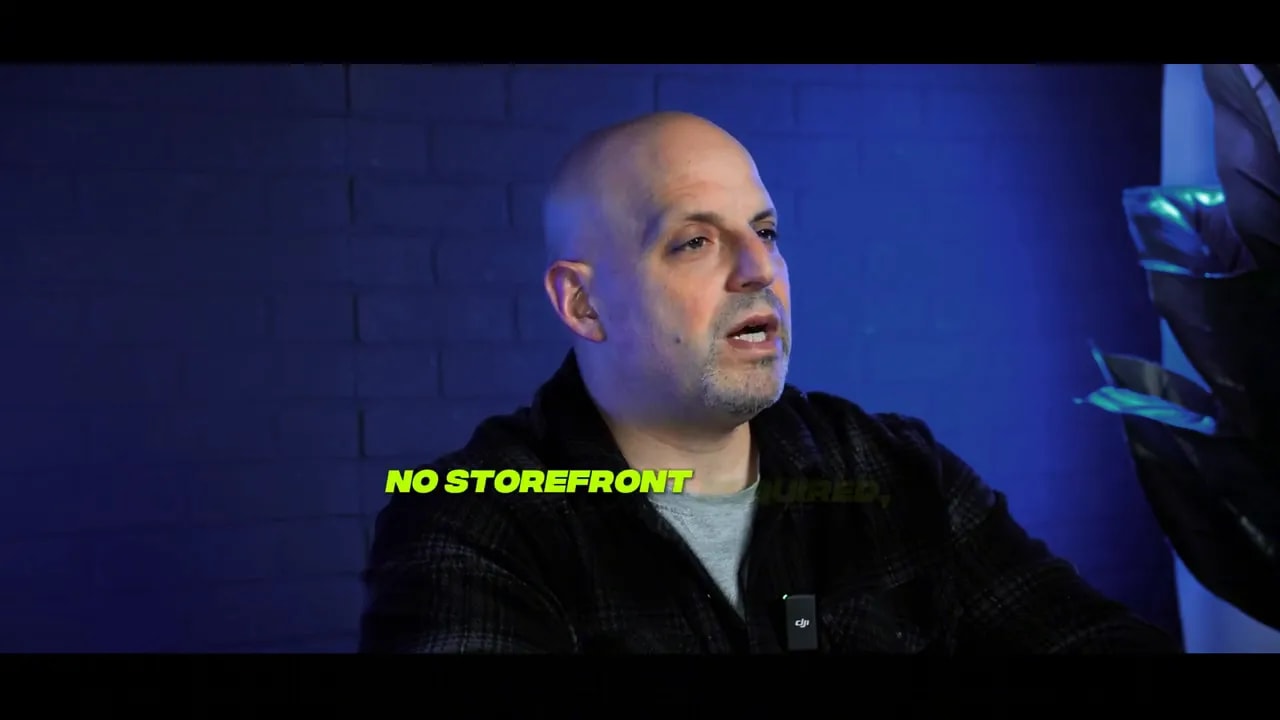
One of the more practical points emphasized in Business Ownership Coach | Investor Financing Podcast is the operating structure. This type of franchise is not presented as a retail-heavy business with a storefront and large front-end overhead.
Instead, the model is framed around:
- No storefront requirement
- Manageable startup overhead
- Small trained teams
- Lean operations
That does not mean it is passive. It means the business may be operationally simpler than concepts that require retail leases, consumer foot traffic, and large staffing layers from day one.
For many buyers, especially those coming from leadership roles, this kind of structure is appealing because it allows them to focus on management, sales, client relationships, and team oversight.
Do You Need Industry Experience?

According to the information discussed in Business Ownership Coach | Investor Financing Podcast, prior industry experience is not required.
What matters more is whether the owner can:
- Lead people well
- Follow systems
- Operate professionally
- Build client trust
- Stay committed to standards and execution
The franchise system is described as providing training in:
- Operations
- Sales
- Client management
- Team leadership
This is a key point for buyers evaluating fit. Lack of direct hospitality experience may not be the obstacle. Lack of leadership discipline or unwillingness to work within a proven system is more likely to be a problem.
What Kind of Support Should You Expect?

Support is one of the biggest reasons buyers choose franchising over independent startups. In this model, support is described as a major differentiator.
Areas of support include:
- Initial training to learn the business model
- Operational guidance for running the business properly
- Sales coaching to improve growth execution
- Marketing support to help build the business
- Ongoing system guidance rather than leaving owners to figure everything out alone
For buyers who want independence without isolation, that combination can be valuable.
Protected Territories and Growth Potential
Territory matters in any franchise. Business Ownership Coach | Investor Financing Podcast notes that owners operate in large protected territories, which can help reduce internal competition and support long-term relationship building.
Protected territory structure can matter because it may allow owners to:
- Develop accounts without overlap from the same system
- Focus on long-term market development
- Build local reputation more efficiently
- Plan staffing and growth with clearer boundaries
Available territories were also described as including desirable markets, which may appeal to buyers considering relocation or a lifestyle change tied to business ownership.
Who Is the Best Fit for This Type of Franchise?

Photo by Valeriia Bugaiova on Unsplash
This type of business is generally a better fit for someone who wants a serious ownership role, not a side hustle built on hype.
Strong fit indicators:
- You want to be your own boss but still value systems and support
- You are motivated by professionalism and reputation
- You are comfortable with B2B relationship building
- You want to build long-term equity, not just replace a paycheck
- You have leadership ability and enjoy accountability
Weaker fit indicators:
- You are looking for a trendy consumer brand with rapid social media buzz
- You want a fully passive investment
- You dislike process, structure, or operational standards
- You are unwilling to lead a team or develop clients
Questions to Ask Before Buying

Photo by Manuel Moreno on Unsplash
If you are evaluating a B2B hospitality franchise, ask practical questions before making a decision.
- How recurring is the revenue in practice?
- What type of training is included, and for how long?
- How quickly do new owners typically begin business development?
- What does territory protection actually cover?
- How lean are staffing needs at launch?
- What kind of validation can you do with current franchise owners?
- What role will you personally play in sales, operations, and management?
The ownership process described here includes franchise document review, validation with existing owners, and discovery meetings. That is a good reminder that fit should be mutual. The best franchise decisions come from careful alignment, not pressure.
Common Mistakes Buyers Make
Buyers often make avoidable mistakes when evaluating service franchises. Watch for these issues:
- Confusing low overhead with low effort. Lean operations still require leadership and execution.
- Underestimating B2B sales. Even strong systems need an owner who can build relationships.
- Focusing only on lifestyle claims. Flexibility matters, but fundamentals matter more.
- Ignoring owner validation. Existing franchisees can reveal how support and execution work in reality.
- Choosing a business for image instead of fit. The best business is not the flashiest one. It is the one that matches your strengths.
Bottom Line

Photo by Bilderboken on Unsplash
Business Ownership Coach | Investor Financing Podcast presents a clear case for why a B2B hospitality franchise can appeal to experienced business buyers. The model combines essential outsourced services, recurring client relationships, lean operations, protected territories, and franchise support that reduces guesswork.
For the right owner, the opportunity is less about chasing trends and more about building a professional, scalable business with long-term value. It may be especially compelling for corporate operators, second-career buyers, and retirees who still want challenge, purpose, and ownership.
If you are comparing franchise options, this category deserves attention because it sits at the intersection of B2B demand, operational simplicity, and structured support. The key question is not whether the model sounds attractive. The real question is whether your skills, goals, and working style match the demands of the business.