
Business Ownership Coach | Investor Financing Podcast is a useful lens for evaluating modern side businesses that can be launched without taking on a large team, a storefront, or a highly complex operation. One model getting more attention is AI vending, also called smart vending or unattended retail.
For busy professionals, W2 employees, and first-time operators, AI vending stands out because it combines physical assets, relatively low overhead, remote management tools, and the potential to scale over time. It is not fully passive, but it can be run on a semi-absentee basis when the locations, product mix, and operations are set up correctly.
This guide explains how AI vending works, where it fits best, what makes it different from traditional vending, and what to think through before buying machines.
Photo by Adhitya Sibikumar on Unsplash
What Is AI Vending?
AI vending is a form of unattended retail that uses computer vision and mobile payment technology instead of the classic vending machine setup with coils, buttons, and coin slots.
Rather than selecting a product from a numbered keypad, a customer typically scans a QR code, links a payment method such as Apple Pay or a credit card, unlocks the cooler or unit, removes the items they want, and closes the door. The system identifies what was taken and charges accordingly.
This creates a more retail-like experience because shoppers can:
- Open the unit and browse
- Pick up products and compare options
- Put items back before finalizing the purchase
- Buy multiple items in one smooth transaction
That shopping flow is one reason many operators see AI vending as a step up from traditional snack-and-soda machines.
Why AI Vending Appeals to Side Hustle and Semi-Absentee Owners
One of the strongest points in favor of this model is that it can work for people who are not ready to leave a full-time job. In the Business Ownership Coach | Investor Financing Podcast context, that matters because many aspiring owners want a business that can be layered on top of existing income before becoming a full-time focus.
AI vending can fit that profile because it may offer:
- Limited weekly time demands per machine
- No large employee roster to manage
- Remote monitoring and management tools
- Flexible scaling through gig workers
- A path from side income to larger operation
That does not mean no work is required. Machines still need restocking, cleaning, inventory planning, and occasional service. But compared with many service businesses, the day-to-day operator burden can be simpler.
How AI Vending Works in Practice
The customer experience is designed to be fast and intuitive:
- A shopper scans a QR code on the unit.
- The system connects to a mobile wallet or card payment.
- The door unlocks.
- The shopper removes the items they want.
- If they change their mind, they can return items before closing the door.
- Once the door closes, the system records the final selection and bills the customer.
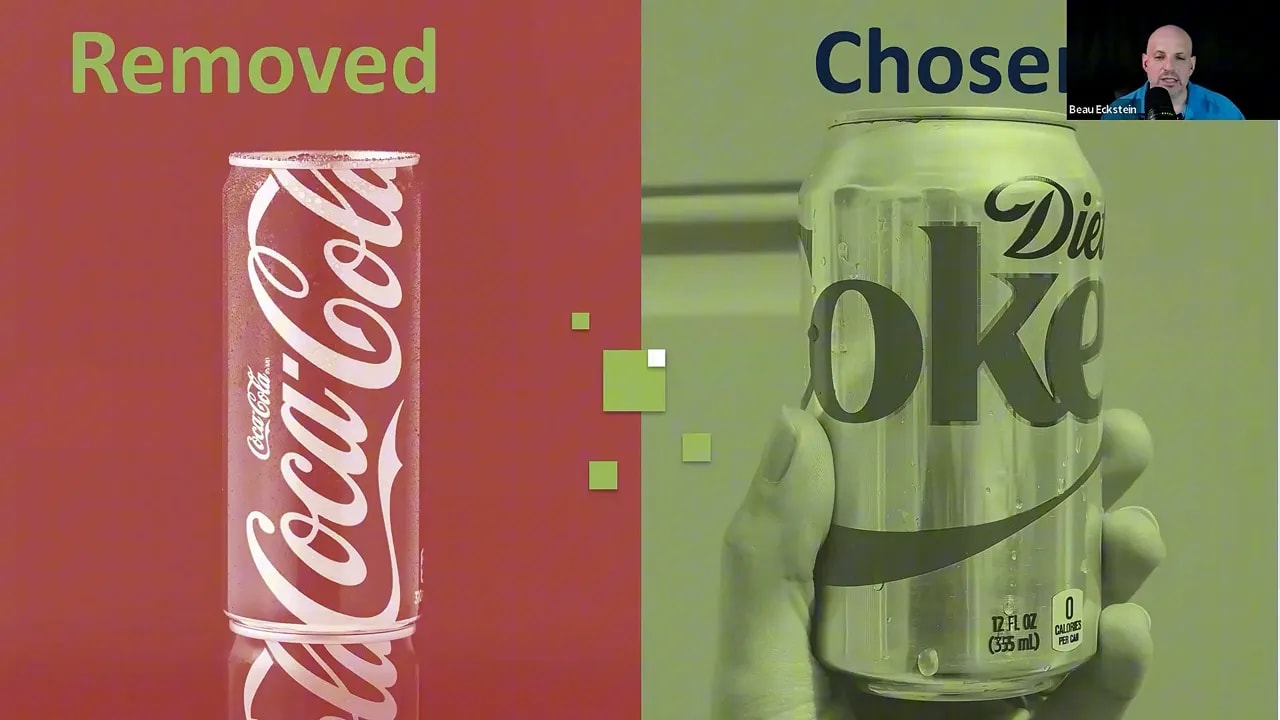
The technology relies on visual recognition of items by shape, color, and size. This reduces dependence on mechanical parts and eliminates many of the frustrations people associate with legacy vending machines.
AI Vending vs Traditional Vending
If you are comparing models, the biggest differences come down to customer experience, maintenance, and merchandising flexibility.
Traditional vending usually depends on:
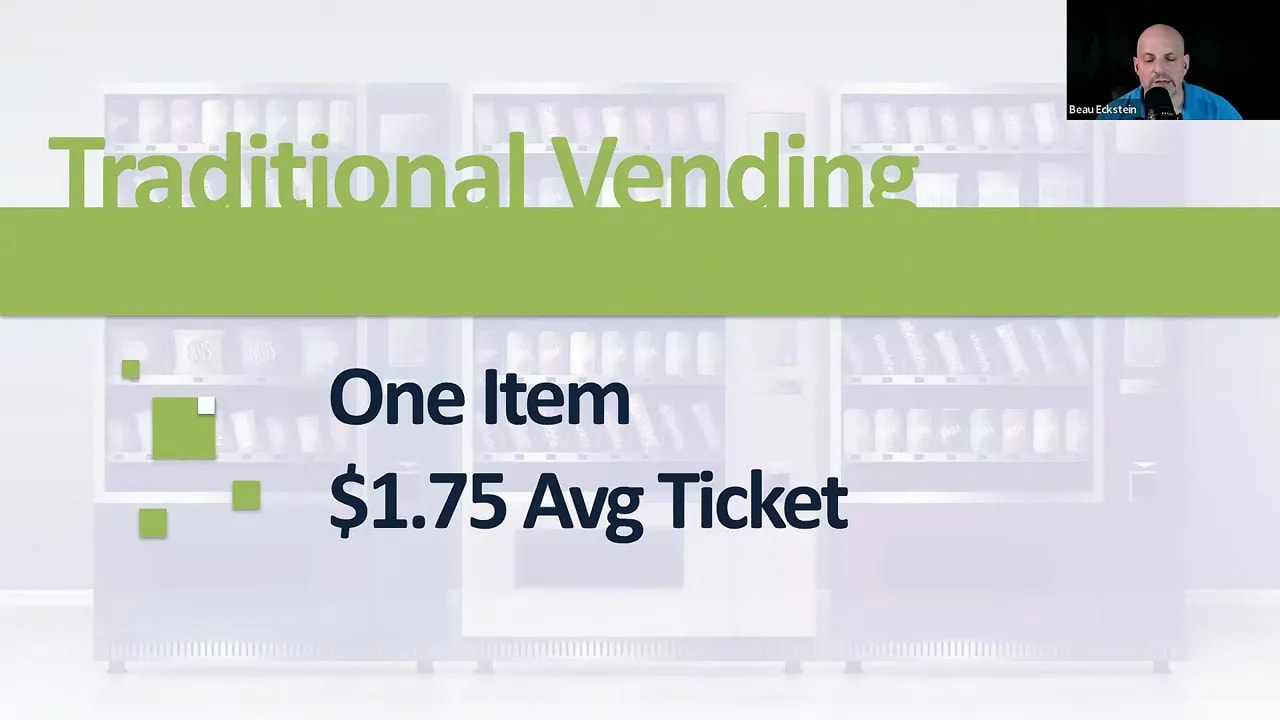
- Coils and motors
- Keypads
- Coin and bill mechanisms
- A narrower product format
AI vending usually offers:
- No coils
- No product drop issues from spirals
- No coin system to maintain
- A wider range of products
- A more modern checkout process
That flexibility matters because AI vending can support more than chips and soda. Depending on the location, operators may stock dairy, meal kits, fresh lunches, healthy snacks, protein drinks, hotel essentials, and other convenience items.
Best Locations for Smart Vending Machines
Location quality is still the make-or-break factor. Smart technology helps, but it does not fix poor placement.
AI vending tends to fit well in places where people need quick access to food, drinks, or essentials without full retail staffing. Examples include:
- Apartment complexes for basics like milk, eggs, snacks, and ready-to-eat items
- Hotels for toiletries, drinks, and forgotten essentials
- Office spaces for lunches, snacks, and beverages
- College campuses for grab-and-go convenience and healthier options
A strong location usually has steady foot traffic, a clear convenience gap, and limited friction around access, delivery, and servicing.
How Revenue Can Go Beyond Product Sales
One overlooked advantage of some smart vending units is the ability to generate more than one revenue stream.
Besides profit on product sales, some setups may include a digital display on the unit. That opens the door to paid advertising from local businesses or in-house promotions.
Potential revenue sources can include:
- Margin on food, beverages, or essentials
- Advertising displayed on the machine
- Location-specific upsells through product mix
Not every location will support advertising revenue, but in the right environment, it can improve the economics of each machine.
What Makes AI Vending Easier to Operate
In the Business Ownership Coach | Investor Financing Podcast framework, simpler operations are a big reason this model attracts first-time business buyers.
Operational advantages often include:
- Fewer moving parts, which can mean fewer maintenance headaches
- Remote changes to settings and management tools
- Flexible machine configurations for different locations
- No need for a large staff in the early stages
- Scalable servicing through family help or gig workers
Some operators start by doing all the restocking themselves. As the route grows, they shift routine tasks to a contractor or part-time helper while keeping oversight, purchasing, and expansion decisions at the owner level.
Can AI Vending Be Financed?
Yes, financing can be part of the strategy. For buyers who qualify, SBA funding may be available to cover a large share of project costs, including equipment and working capital.
That can matter because launching a route often requires more than just the machine purchase. Owners may also need funds for:
- Initial inventory
- Delivery and setup
- Early operating expenses
- Working capital during ramp-up
If you want to explore funding options, an SBA discovery call can help clarify qualification, structure, and what lenders may look for.
The broader takeaway from the Business Ownership Coach | Investor Financing Podcast approach is that leverage can help buyers enter business ownership without covering the full cost in cash upfront, assuming credit and lender requirements are met.
Are There Tax Benefits to Buying Vending Equipment?
Equipment purchases may create tax planning opportunities, including potential depreciation benefits such as Section 179 and bonus depreciation. These can be meaningful for some business owners, especially those who are still earning W2 income.
Important caveat: tax treatment depends on your structure, income, timing, and advisor guidance. Tax rules can change, and eligibility is not automatic.
Use this as a conversation starter with a CPA, not a substitute for tax advice.
How AI Vending Compares With Rental Property Cash Flow

Photo by Kate Trysh on Unsplash
Some buyers compare AI vending to rental real estate because both involve acquiring assets that can produce ongoing income. The difference is that vending is an operating business, while rental property is primarily an investment asset with its own maintenance and cash flow profile.
AI vending may appeal more to people who want:
- Faster operational cash flow potential
- Lower entry cost than many real estate deals
- A business that can be expanded unit by unit
- Less dependence on long-term property market conditions
Real estate and vending are not direct substitutes, but for someone focused on building active cash flow rather than waiting on appreciation, vending can be worth serious consideration.
Common Mistakes to Avoid Before Buying Machines
- Assuming it is fully passive. It is more accurate to call it semi-passive or semi-absentee.
- Choosing bad locations. Great equipment in weak locations still underperforms.
- Ignoring product-market fit. Hotels, offices, apartments, and campuses need different inventory mixes.
- Underestimating working capital. Inventory and ramp-up cash matter.
- Overlooking replenishment logistics. Restocking time adds up as routes expand.
- Relying on tax benefits alone. The business still needs sound unit economics.
Who Is AI Vending Best For?

Photo by Kate Trysh on Unsplash
AI vending is often a strong fit for:
- W2 employees who want a business on the side
- Entrepreneurs seeking a lower-overhead entry point
- Buyers interested in equipment-based businesses
- People who want a scalable route model without building a large service team right away
It may be a weaker fit for someone who wants zero operational involvement, dislikes inventory management, or expects immediate replacement of a full-time salary from a small number of machines.
Next Steps if You Are Exploring AI Vending
If this model seems aligned with your goals, start by evaluating four things:
- Your time availability while keeping your current income source
- Your budget and financing options
- Your target locations and local demand
- Your expansion plan for restocking and route support
Readers who want a deeper look at business ownership and financing can explore the Business Ownership Academy or subscribe to a business ownership newsletter for ongoing education.
If administrative support is part of your growth plan, a virtual assistant resource may also be relevant as operations expand.
For buyers ready to discuss capital structure or SBA eligibility, a discovery call can help map out funding paths.
Final Takeaway

Photo by Kate Trysh on Unsplash
Business Ownership Coach | Investor Financing Podcast highlights a practical truth about AI vending: it is not magic, but it can be a compelling gateway business. It offers a modern retail experience, lower operational friction than many traditional vending setups, and a realistic way for busy professionals to enter business ownership without jumping straight into a labor-heavy company.
If your goal is to build cash flow, keep overhead manageable, and scale step by step, AI vending deserves a place on the shortlist.