
A commercial landscaping franchise can appeal to someone who wants a service business without owning a fleet of equipment or hiring a large field crew. In a subcontractor model, the franchisee wins and manages property accounts while independent service providers perform the on-site work.
That sounds lean, but it is not passive. A Business Ownership Coach would look beyond the low employee count to ask a more important question: Can you reliably sell contracts, coordinate crews, protect service quality, and make the numbers work?
What Does the Franchisee Actually Do?

The model focuses on small and midsize commercial properties. Services may include lawn cutting, shrub pest control, landscape upkeep, and general site inspections. In markets with winter weather, subcontractors may also handle snow plowing and walkway salting.
The franchisee’s core job is account ownership, not operating a mower. That means developing relationships with property owners, putting service agreements in place, scheduling work, responding when something goes wrong, and maintaining a dependable network of subcontractors.
This distinction matters when comparing franchise opportunities. A conventional landscaping operation may depend heavily on owned equipment and an in-house field team. The subcontractor approach shifts much of that fieldwork to outside providers, while leaving the franchisee responsible for the customer experience. A Business Ownership Coach can help clarify which set of responsibilities better fits your skills and available time.
How Can a Low-Employee Operation Be Run?

An owner could initially handle business development and coordination personally. As accounts grow, one possible structure adds an account manager to develop and maintain customer relationships and an operations or office person to confirm that scheduled work is completed and clients are satisfied. The appropriate staffing level depends on how involved the owner plans to be.
Because the fieldwork is subcontracted, the business may be run from home rather than a dedicated office. That does not eliminate management work. Consider the path of a routine service request:
- Confirm the scope: Identify the property, required services, timing, and customer expectations.
- Assign the provider: Coordinate with a subcontractor capable of performing the work.
- Check completion: Make sure the agreed work was done and address any gaps.
- Maintain the account: Keep communication open so a recurring agreement remains valuable to the client.
Those steps explain why “semi-absentee” should not be confused with “hands-off.” Someone still needs to oversee sales, service delivery, customer issues, and the subcontractor network. If your goal is to keep a W-2 job while building a business, ask a Business Ownership Coach to pressure-test the time commitment before assuming the arrangement will fit your schedule.
What Do Startup Costs and Recurring Contracts Mean in 2026?

An earlier description of this emerging franchise placed the investment at a little over $100,000 to roughly $245,000 to $250,000, with the amount affected in part by whether team members were hired immediately. That is useful context, not a verified 2026 price. Obtain the current Franchise Disclosure Document (FDD) and confirm the complete investment range before building a financing plan.
Commercial property agreements were described as commonly lasting about 12 months. A contract can create a more predictable book of work than one-off jobs, but recurring revenue is not guaranteed profit. Contract labor may be a major cost, alongside marketing and general liability coverage. Review how each agreement is priced, what work is included, and how subcontractor costs affect the margin.
For financing, start with the actual uses of funds: the franchise investment, launch expenses, early operating needs, and any planned hires. Financing availability and terms depend on the applicant, business, and lender. If you want to discuss an SBA loan request, an SBA discovery call offers a place to begin that conversation. A Business Ownership Coach can help you separate the appeal of a lean model from the cash it still takes to launch and operate it.
What Should You Verify Before Buying?
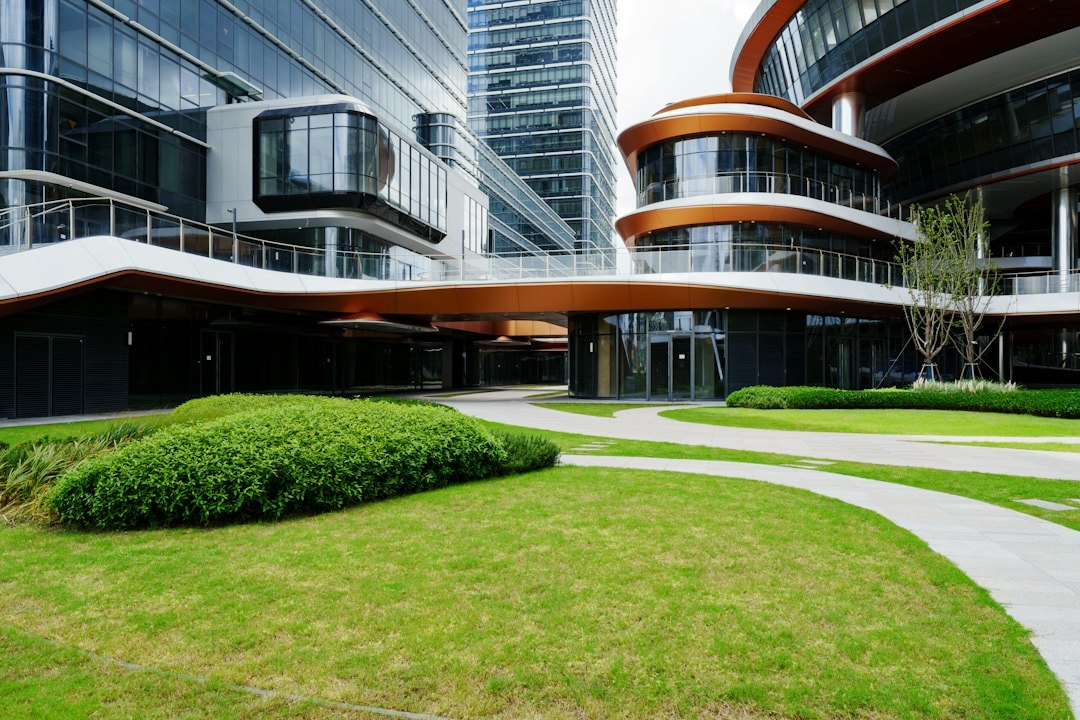
Photo by Declan Sun on Unsplash
The franchise was described as an emerging brand with about 30 locations at the time of that description. Its marketing approach included corporate lead generation and AI-supported calling. Neither an earlier location count nor an impressive marketing demonstration tells you what results a new territory will produce in 2026.
Use this checklist to guide your due diligence:
- Current disclosures: Confirm the latest investment figures, fees, territory terms, and any financial performance information in the current FDD.
- Lead flow: Ask which leads corporate marketing supplies, what you must do locally, and how opportunities become signed accounts.
- Subcontractor capacity: Determine how providers are found, managed, and replaced when work is missed.
- Contract economics: Compare customer pricing with labor and other ongoing costs rather than relying on revenue alone.
- Owner workload: Speak with existing franchisees about sales, coordination, staffing, and the time required to serve accounts well.
- Seasonality: In snow markets, understand how winter services fit the territory; elsewhere, do not assume those services add revenue.
Also verify the applicable requirements for using independent contractors and providing the services in your market. The subcontractor model can reduce the need for owned field equipment, but it does not remove the need for dependable execution. That is where a Business Ownership Coach should challenge optimistic assumptions, not simply reinforce them.
Who Is This Model a Good Fit For?

This type of franchise is worth examining if you prefer B2B relationships, recurring service agreements, and a smaller direct team over managing numerous field employees. It may also suit someone comfortable building processes and following up on details. It is a weaker fit if you want customers to arrive automatically or believe subcontractors eliminate day-to-day accountability.
Compare the opportunity against your financial capacity, lifestyle, and available time. Home services are only one part of franchising; health and wellness, senior care, moving, and quick-service restaurants represent different operating demands. The right question is not whether commercial landscaping looks attractive in isolation. It is whether its work, costs, and risks are a better match for you than the alternatives.
A Business Ownership Coach can help organize that comparison. If you want to explore commercial landscaping alongside other franchise categories, you can book a franchise discussion.
The Bottom Line

A subcontractor-based commercial landscaping franchise offers a clear trade-off: less emphasis on owning equipment and employing field crews, more emphasis on winning accounts and managing service quality. Twelve-month agreements and a home-based setup may be appealing, but they do not replace careful review of current costs, contracts, staffing needs, and territory performance.
For 2026, get the current FDD, speak with franchisees, and model the business using your own financing and operating assumptions. That is the practical way to decide whether this opportunity fits your ownership goals.