
You do not necessarily need prior industry experience to buy a franchise. A strong franchise system is designed to give qualified owners operating procedures, training, marketing guidance, and a business roadmap. But experience-free does not mean effort-free. A Business Ownership Coach can help you assess whether a franchise model fits your skills, goals, available capital, and desired role as an owner.
The right question is not simply, “Can I buy a franchise without experience?” It is: Can I successfully lead this specific business, follow its system, and stay committed through the ramp-up period?
Why Franchise Ownership Can Work Without Industry Experience
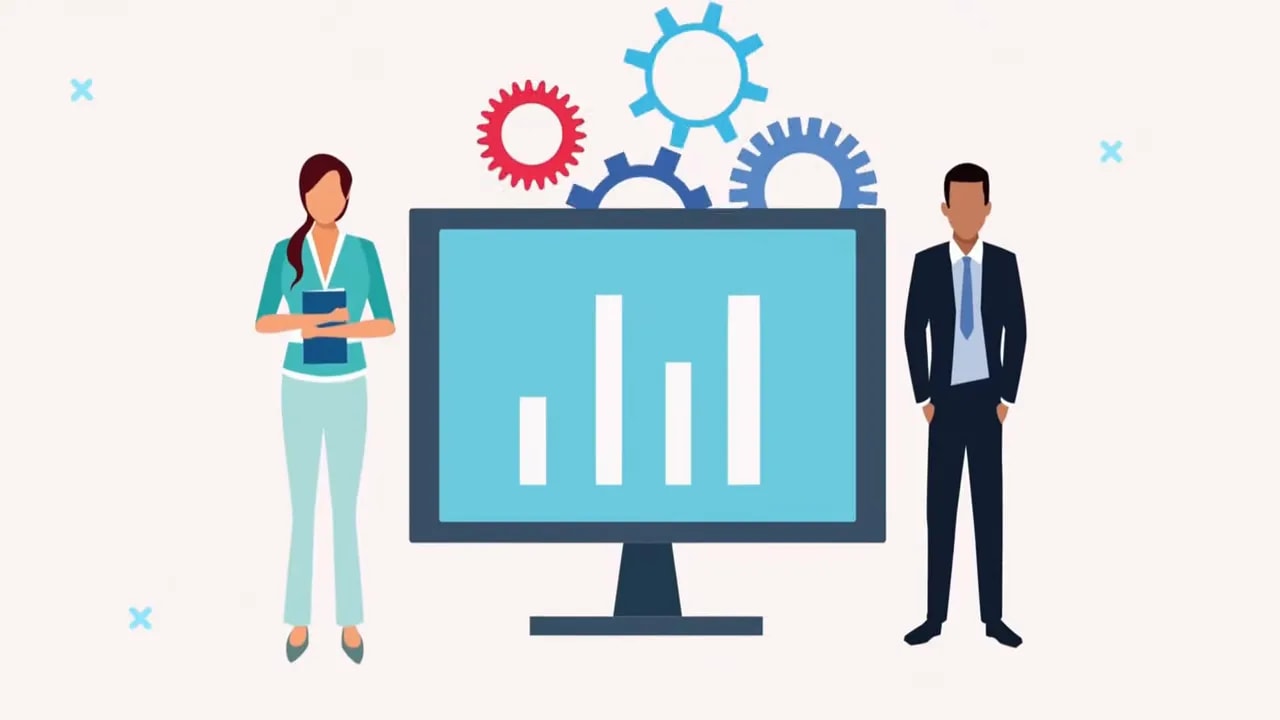
Franchising gives entrepreneurs a structured path into business ownership. Rather than creating every process from scratch, the franchisee operates under an established brand and follows the franchisor’s model.
Depending on the franchise, support may include:
- Initial training for the owner and team
- Operating systems and procedures
- Marketing direction and brand standards
- Technology, reporting, and performance tools
- Guidance for hiring employees and launching the location or territory
This structure is why someone can enter a field such as home services without personally being the technician. For example, an HVAC franchise owner may focus on recruiting, local marketing, customer service, sales oversight, and financial management while trained employees perform the technical work.
A Business Ownership Coach helps separate the business itself from the job inside the business. You may not need to repair HVAC equipment, but you do need to understand how the company earns revenue, serves customers, manages labor, and delivers consistent results.
What You Still Need to Bring to the Table

A franchise is not a guaranteed outcome. The franchisor can provide systems, but the owner must execute them. The strongest first-time franchisees are usually willing to learn, lead people, and consistently follow proven processes.
Before pursuing any opportunity, assess these core capabilities:
- Coachability: Can you follow a system instead of constantly reinventing it?
- Leadership: Can you hire, train, motivate, and hold a team accountable?
- Sales and relationship skills: Can you build local trust with customers, referral partners, and employees?
- Financial discipline: Can you manage working capital and understand the business numbers?
- Commitment: Are you prepared to operate a business for the long term?
Owners who treat a franchise as a passive investment without understanding their responsibilities can struggle. A semi-absentee model may require fewer day-to-day hours than an owner-operator model, but it still requires leadership, oversight, and accountability.
When Industry Experience Matters More
Industry experience is more important in some franchise categories than others. Food service is a clear example. Restaurants can be highly competitive, operationally demanding, and labor-intensive. Previous restaurant experience may not be an absolute requirement for every concept, but it can be a meaningful advantage.
In contrast, many service franchises are built specifically for entrepreneurial owners who are new to the trade. The key is to understand the level of operational complexity and the expertise required to run the business responsibly.
Ask These Questions About the Required Experience

- Does the franchisor require prior industry experience or specific credentials?
- Will certified employees handle technical or regulated work?
- How extensive is the initial training program?
- Will the owner be expected to work directly in operations?
- What are the staffing, sales, and management demands during the first years?
Do not select a franchise merely because its industry sounds profitable or interesting. Select it because the owner role is realistic for you and the business model matches how you want to work.
Choose the Owner Role Before Choosing the Franchise

One of the most important decisions is determining the role you want to play. A Business Ownership Coach should start with your lifestyle goals and capacity, then identify franchise categories that align with them.
Common ownership structures include:
- Owner-operator: You are deeply involved in daily operations, staff management, sales, and customer delivery.
- Semi-absentee owner: You retain oversight while a manager or small team handles more of the day-to-day activity.
- Managed or CEO model: You build leadership beneath you and concentrate on high-level decisions, growth, and financial performance.
Someone maintaining a W-2 job may seek a model with manageable staffing and fewer moving parts. Someone leaving employment to build a company may want an operationally active model that can grow into a larger enterprise. Neither approach is automatically better. The fit depends on your time, risk tolerance, capital, and goals.
How to Evaluate a Franchise Before You Commit
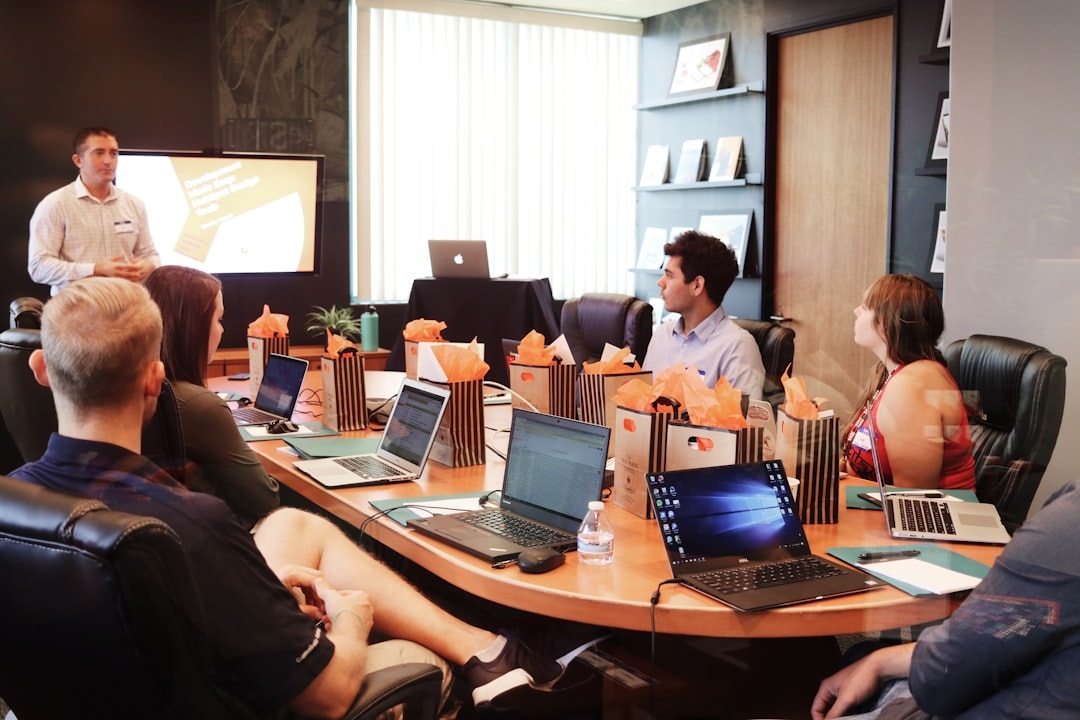
Photo by Redd Francisco on Unsplash
Buying a franchise is a serious investment, not something to casually test for a few months. Franchise agreements often involve multi-year commitments, so conduct careful due diligence before signing.
Review the Franchise Disclosure Document
The Franchise Disclosure Document, commonly called the FDD, is a critical due-diligence resource. It helps prospective franchisees understand the franchise system, its obligations, and the information needed to assess the opportunity. Take time to review it carefully and use it as part of a broader evaluation process.
Build a Franchise Fit Thesis

A productive search starts with a clear thesis: what type of business fits your personal and financial situation? Rather than focusing on one industry from the beginning, compare several models and evaluate the owner’s actual responsibilities in each one.
A practical discovery process may include:
- Define your income, lifestyle, and ownership goals.
- Complete an entrepreneurial assessment and intake process.
- Identify industries and models that match your preferences.
- Research available territories for suitable franchise concepts.
- Compare several business models before narrowing your choices.
- Review how each business operates and what your weekly role will be.
A Business Ownership Coach adds value by helping you avoid a common mistake: choosing a concept based on brand recognition while overlooking the operating realities.
Startup Franchise vs. Existing Franchise Resale
First-time buyers often compare launching a new franchise with purchasing an operating resale. Both routes can make sense, but they solve different problems.
A franchise startup can offer a lower initial cost than acquiring an established business, because you are not necessarily paying a multiple for existing earnings. You also have the opportunity to hire your own team and build the local operation from the beginning. The tradeoff is that new businesses may need time to ramp up.
An existing franchise resale may provide an established operation, employees, and an operating history, but buyers may pay more because they are acquiring a business that has already been built. Availability is also a factor. The specific brand or territory you want may not be available for purchase.
Financing should be evaluated alongside the business opportunity, not after the decision is made. As of 2026, SBA financing remains a key topic for many franchise buyers, but program requirements, lender preferences, borrower qualifications, and deal structures can vary. Consider an SBA discovery call early to discuss how a potential acquisition or startup franchise may fit your financing strategy.
Common First-Time Franchise Buyer Mistakes

- Assuming franchise support guarantees success. Systems only work when owners implement them consistently.
- Choosing an industry before defining the owner role. A good business model can still be a poor lifestyle fit.
- Ignoring the long-term commitment. Choose a concept you can see yourself leading for years, not just a temporary trend.
- Underestimating management. Even when technicians deliver the service, the owner must lead the business.
- Failing to compare options. Reviewing multiple models creates a stronger basis for decision-making.
- Leaving financing until the end. The total investment and funding plan should be understood before moving too far forward.
Final Thoughts: Experience Is Helpful, Fit Is Essential

Photo by Campaign Creators on Unsplash
You can buy a franchise without direct industry experience when the franchise system is designed to train entrepreneurial owners and you have the willingness to lead, learn, and execute. The better measure of readiness is whether you understand the model, have the right ownership mindset, and can commit to running it properly.
A Business Ownership Coach can help you identify whether you are better suited for an owner-operator, semi-absentee, or managed franchise model, then guide a more disciplined search. For help exploring franchise opportunities, resales, and business funding conversations, schedule a business ownership consultation.
Frequently Asked Questions About Buying a Franchise
Can I own a franchise with no business experience?
Yes, many franchise systems are built for first-time entrepreneurs. You still need to develop leadership, financial, sales, and operational skills while following the franchise system.
Do franchise owners need to do the technical work?
Not necessarily. In many service franchises, trained employees perform technical work while the owner manages hiring, sales, operations, customer experience, and business performance.
Is a franchise a passive investment?
Generally, no. Some franchises can be semi-absentee or managed, but every model requires owner oversight, leadership, financial review, and adherence to the operating system.
Should I buy a franchise startup or an existing franchise?
A startup may have a lower entry cost but requires ramp-up time. An existing franchise may have established operations but can cost more because the buyer is purchasing an operating business.