
A Business Ownership Coach helps entrepreneurs look past broad industry labels and evaluate the operating model behind the opportunity. Senior care is a large, durable category, but not every senior-focused franchise is built the same way. Some models depend heavily on recruiting and managing caregivers, while others serve older adults and their families through facility-based programs, home accessibility work, or specialized maintenance services.
For an entrepreneur evaluating senior care franchises in 2026, the best fit depends on capital, local demand, management strengths, comfort with staffing, and the type of service you want to deliver. The objective is not simply to find a growing sector. It is to find a model that matches your skills and can be operated responsibly.
Why Senior Care Is Not One Franchise Category

“Senior care” can include many businesses serving older adults, adult children, caregivers, and households making decisions about aging. A good Business Ownership Coach separates these businesses by how they create value and how they produce revenue.
The most common categories include:
- Home care: Caregivers provide support in a senior’s home, often making this a staffing-intensive business.
- Senior day facilities: Older adults attend a dedicated facility during the day for engagement, support, and structured activities.
- Age-in-place services: Businesses modify homes to improve accessibility and safety.
- Senior-focused maintenance: Service providers help older homeowners maintain homes and handle practical property needs.
All four serve an important need, but the daily work, sales cycle, labor requirements, startup profile, and competitive landscape can be very different.
Senior Day Facilities: A Membership-Based Model

A senior day facility gives families a place to bring an older relative during the day. This can be particularly valuable when family members want a loved one to remain at home but need structured daytime support, companionship, and activities.
From an ownership perspective, this model can stand apart from traditional home care because clients come to one central location rather than receiving service one household at a time. It can also use a membership-style structure, creating recurring monthly revenue instead of relying only on one-off jobs.
A facility of roughly 2,500 square feet has been presented as an example footprint for this type of concept. An emerging franchise model in this space was estimated at around $300,000 in total project costs, including build-out, rent, working capital, and franchise fees. That is an example, not a universal investment figure. Every candidate should confirm current costs directly with the franchise, its disclosure materials, landlord proposals, and financing sources.
A Business Ownership Coach would typically look closely at these questions before recommending a senior day model:
- What does the membership include, and what is billed separately?
- How many active memberships are needed to support the location?
- What is the local family need for daytime senior engagement?
- What staffing, operating hours, and facility requirements apply?
- Does the owner enjoy relationship-based community outreach?
This model may suit an owner who is personable, operationally organized, and motivated by building a community-centered business.
Age-in-Place Franchises: Helping Seniors Stay at Home

Age-in-place businesses help households adapt a residence so an older adult can live more safely and comfortably at home. Common work can include handrails, wheelchair ramps, and other accessibility improvements.
This niche addresses a practical decision many families face: how to make a home workable as mobility and accessibility needs change. Rather than providing ongoing personal care, the business focuses on physical home solutions.
For franchise candidates, this can be appealing because it is a specialized service category with a clear customer problem. The owner must still understand how work is delivered. Depending on the concept, that may mean overseeing skilled technicians, managing subcontractors, estimating projects, handling customer communication, and maintaining quality control.
The strongest opportunities are not necessarily those with the flashiest brand. They are the ones where the owner can confidently answer:
- Who is the buyer: the senior, adult children, caregivers, or another referral source?
- What accessibility projects are most common in the territory?
- How quickly can estimates, installations, and customer follow-up be completed?
- What differentiates the brand from general contractors?
A Business Ownership Coach should also help prospective owners think beyond the initial sale. Clear communication, respect for the household, reliable scheduling, and workmanship matter deeply in this segment.
Senior-Focused Maintenance Services: A Specialized Local Business

Photo by Amy Hirschi on Unsplash
Senior-focused maintenance businesses support older homeowners with repairs, upkeep, and practical household projects. This is a niche within senior services because the business is designed around the needs of an older demographic rather than serving every homeowner in the same way.
The opportunity is in specialization. An owner can build trust by offering dependable help for tasks that may become more difficult for an older homeowner to manage independently. It can also complement age-in-place work when maintenance requests reveal a need for accessibility updates.
This type of franchise can be a good fit for an entrepreneur who likes local service operations and wants a business that is less centered on ongoing caregiver staffing. However, it still requires disciplined scheduling, quality control, customer service, and a dependable delivery team.
Before moving forward, evaluate whether the brand provides a defined senior-focused value proposition or is simply a general maintenance company using senior care as a marketing label.
Home Care Can Be Attractive but Is Often Highly Competitive

Home care remains a major business category and can be an excellent opportunity for the right owner. It provides needed services to older adults who prefer support in their own homes. Still, it is often a staffing business at its core.
That means recruiting, retaining, scheduling, and supervising caregivers can become the central operating challenge. A franchise buyer should not assume that strong demand automatically makes the business easy to run. Demand may be present while the local market is also crowded with competing providers.
A Business Ownership Coach should help you assess whether you are ready for the realities of a labor-driven model:
- Can you build systems for hiring and scheduling?
- Are you comfortable responding to staff and client needs quickly?
- How competitive is your territory compared with nearby providers?
- Do you prefer recurring care relationships or project-based service work?
Home care should not be dismissed. It should simply be evaluated for what it is: a people-intensive service operation where execution matters as much as sales.
How to Choose the Right Senior Care Franchise Niche

Photo by Georg Pflueger on Unsplash
The right senior care niche begins with a direct assessment of your ownership profile. Do not select a concept only because it is tied to demographics or because a revenue model sounds attractive. Select a business that fits your operating strengths and risk tolerance.
Use this practical franchise evaluation checklist:
- Clarify your role. Decide whether you want to lead a team, manage a facility, oversee field services, or build referral relationships.
- Review the revenue model. Identify whether revenue is recurring memberships, ongoing care hours, or individual service projects.
- Understand the labor model. Determine whether the business depends on caregivers, technicians, contractors, or a smaller facility team.
- Study local competition. Look at the number and type of providers serving seniors in the target area.
- Validate startup needs. Separate franchise fees, build-out, rent, equipment, payroll, working capital, and other launch expenses.
- Match the concept to your values. Senior service businesses require patience, trust, and a genuine commitment to serving families well.
For a financing-focused conversation around your potential acquisition or startup plan, schedule an SBA discovery call. Entrepreneurs can also explore business ownership education through the Business Ownership Academy.
Common Mistakes When Evaluating Senior Care Opportunities

The biggest mistake is treating all senior care franchises as interchangeable. The category is broad, and each niche has a different operational burden.
- Focusing only on demand: Demand does not replace a viable staffing plan, site plan, or customer acquisition strategy.
- Underestimating working capital: Opening costs are only part of the capital required to operate through the launch period.
- Ignoring owner fit: A community-focused day facility, a home modification business, and a home care agency require different leadership styles.
- Failing to verify current numbers: Use up-to-date franchise, real estate, and financing information before making a commitment in 2026.
- Overlooking competition: A crowded market may require sharper positioning and stronger local relationship building.
A capable Business Ownership Coach helps turn broad interest into a focused decision process. The goal is to evaluate the franchise, the market, the funding approach, and your personal role before signing any agreement.
Final Takeaway for Prospective Franchise Owners
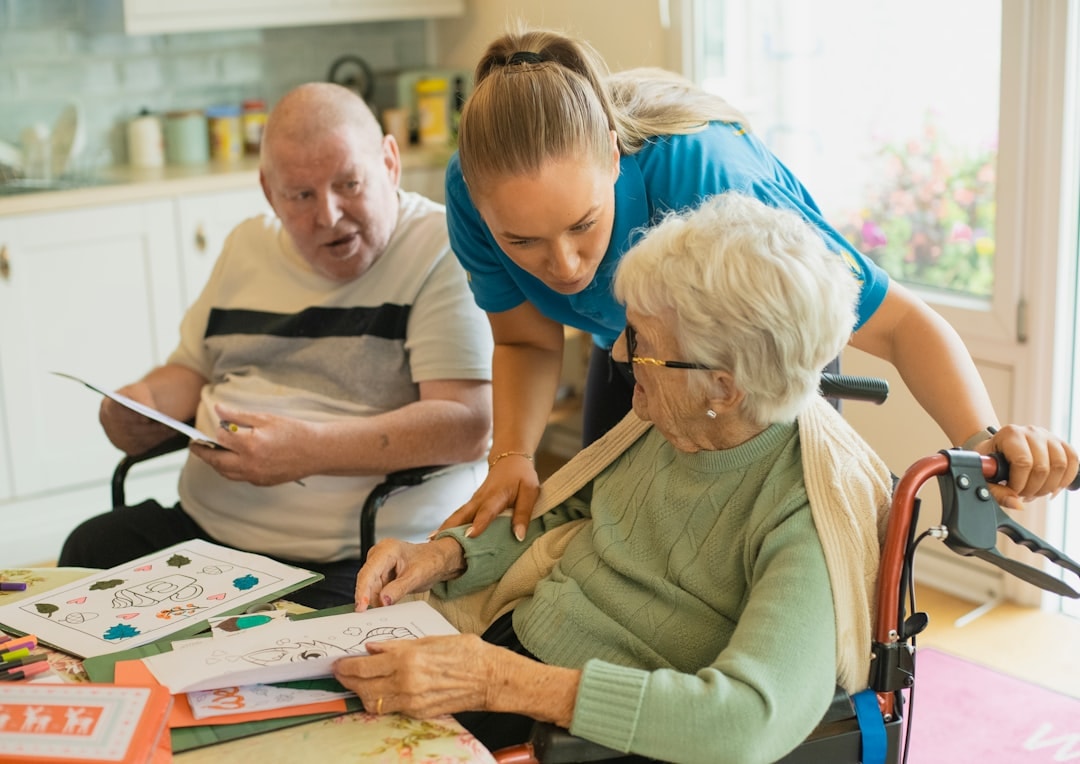
Photo by Age Cymru on Unsplash
Senior care franchise opportunities extend far beyond traditional home care. Facility-based senior day concepts can offer recurring membership revenue. Age-in-place businesses address accessibility needs in the home. Senior-focused maintenance creates a specialized local service position. Home care continues to offer opportunity, but it requires comfort with staffing and a competitive service environment.
Start with the model you can operate well, then validate the numbers and local demand. If you want ongoing insights on franchise ownership, funding, and evaluating business opportunities, join the business ownership newsletter. For support building systems as your operation grows, review the virtual assistant resources.
Frequently Asked Questions About Senior Care Franchises
What is the best senior care franchise niche for a first-time owner?
The best niche depends on the owner’s strengths. A senior day facility may fit a community-minded operator, while age-in-place or maintenance services may suit someone who prefers project-based operations over caregiver staffing.
Are senior day facilities recurring-revenue businesses?
They can be structured around memberships, which creates recurring revenue. The exact pricing, services, enrollment requirements, and economics vary by franchise concept and market.
Why is home care considered a staffing business?
Home care commonly relies on caregivers delivering services in clients’ homes. Recruiting, retaining, scheduling, and managing those caregivers are major parts of the operating model.
What services does an age-in-place business provide?
Age-in-place businesses can provide home accessibility improvements such as handrails, wheelchair ramps, and other modifications that help seniors remain in their homes.