
If you are exploring childcare, preschool, or education franchise opportunities, a Business Ownership Coach approach goes beyond just buying a business. The bigger play is often pairing the operating business with the real estate. When structured well, that combination can improve cash flow flexibility, extend loan terms, and create long term equity.
This matters most for buyers who want more than income. A smart Business Ownership Coach strategy focuses on ownership, financing structure, and wealth creation at the same time.
What a Business Ownership Coach looks for in childcare deals

A good Business Ownership Coach is not only asking whether a preschool can be purchased. The real questions are:
-
Can the business be operated profitably?
-
Is there room to expand?
-
Can the buyer eventually control the property as well?
-
What financing structure creates the best long term outcome?
In childcare, one common path starts with acquiring an existing center. After operations improve and the location performs well, the next move may be a larger expansion that includes a building or owner occupied property. That is where the wealth building potential can change dramatically.
Why preschool businesses can be attractive

Childcare and preschool businesses can be strong opportunities when they are run correctly. Demand for care is persistent, and a well managed center may create stable revenue. For buyers working with a Business Ownership Coach, that makes preschool an interesting category because it can support both business ownership and, in some cases, real estate ownership.
That said, attractive economics do not happen automatically. Execution matters. Staffing, licensing, enrollment, reputation, and facility quality all affect performance. The point is not that every preschool is a great deal. The point is that the category can offer meaningful upside when the operator and financing structure are solid.
The real wealth move: own the business and the building

The biggest insight many buyers miss is this: owning only the operating business may create income, but owning the real estate too can create a different level of wealth.
A Business Ownership Coach will often look at the business and ask whether the property can be part of the long term strategy. Why? Because real estate can add several advantages:
-
Longer repayment terms than a standard operating business loan
-
Potentially similar monthly payment compared with shorter term financing, depending on structure
-
Equity growth in the property over time
-
Tax write off potential tied to ownership and financing structure
That is why many experienced operators eventually want to buy the real estate instead of leasing forever.
How the financing structure changes the outcome
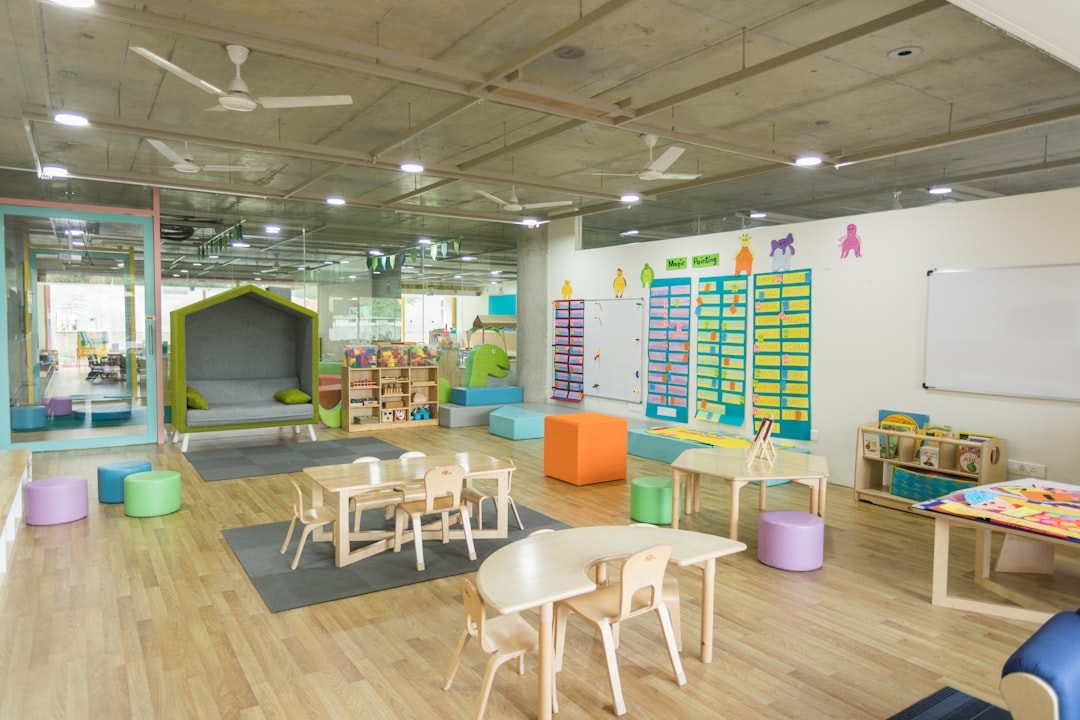
Photo by Towfiqu barbhuiya on Unsplash
This is where a Business Ownership Coach mindset becomes practical, not theoretical.
If a buyer uses a standard franchise or working capital style loan for the operating business, the repayment term may be much shorter. In the source material, the comparison highlighted a typical 10 year term for a standard business loan versus roughly 25 years on a real estate deal. That difference matters.
Longer amortization can reduce the monthly debt burden and may allow the buyer to pair the business with the property without creating an unworkable payment. In some cases, the monthly outlay can be surprisingly competitive even when real estate is included.
For childcare deals, two structures often come up in this context:
-
SBA 7(a) for business acquisition and related needs
-
SBA 504 when owner occupied real estate is part of the growth plan
These are not interchangeable in every situation, and the right fit depends on the deal, use of proceeds, and borrower profile. But from a Business Ownership Coach perspective, understanding the financing options early can shape the entire acquisition strategy.
A common growth path for preschool owners

Photo by Gautam Arora on Unsplash
One pattern shows up often in childcare acquisitions:
-
Acquire an existing child care or preschool operation.
-
Improve performance through stronger operations.
-
Build confidence from real results, not projections alone.
-
Expand into a larger location or build out a school.
-
Add real estate ownership when the deal supports it.
This kind of progression is important because not every first time owner needs to do everything at once. A Business Ownership Coach can help frame the first acquisition as a stepping stone, while keeping the end goal in mind.
For some buyers, the first win is learning how to operate the business well. The second win is using that success to justify a larger structure that includes property.
What buyers often misunderstand

Photo by Gautam Arora on Unsplash
Many buyers assume leasing is always simpler and safer. Sometimes it is. But a Business Ownership Coach will usually challenge that assumption by comparing long term outcomes, not just short term convenience.
Common misconceptions include:
-
“Owning the building will make the payment too high.”
A longer amortization can change that equation. -
“I should only focus on buying the business first.”
That may be fine, but buyers should still evaluate whether real estate ownership could become part of the plan. -
“All profitable preschools are easy to run.”
They are not. The opportunity only works when operations are managed correctly. -
“Any SBA loan structure will do the same thing.”
Different loan programs solve different problems.
Questions to ask before buying a childcare business

Photo by Gautam Arora on Unsplash
Before moving forward, a Business Ownership Coach would want buyers to ask the right questions:
-
Is the existing location performing well, or is there a turnaround required?
-
What is the path to operational improvement?
-
Is expansion realistic based on demand and staffing?
-
Can this deal support an eventual real estate play?
-
Would SBA 7(a), SBA 504, or another structure be more appropriate?
-
How does the monthly payment compare under different financing options?
-
What are the tax implications of owning the property?
If you need help evaluating structure before you apply, a practical next step is to book an SBA discovery call.
Tax and cash flow advantages buyers care about

Photo by Gautam Arora on Unsplash
For many owners, the appeal is not just operational income. It is the combination of:
-
business cash flow,
-
longer loan amortization on property related debt,
-
equity growth, and
-
substantial write offs tied to ownership.
A Business Ownership Coach should not replace your CPA, but should absolutely help you see the strategic value of discussing these points with one before closing a deal.
When buyers realize that the payment on a real estate backed structure may be manageable while also creating tax benefits and equity, their perspective changes from “Can I buy a business?” to “How do I build wealth through the right business?”
Who this Business Ownership Coach strategy fits best

This Business Ownership Coach strategy tends to fit buyers who want:
-
A service based business with recurring demand
-
A long term ownership mindset
-
A path from business income to asset ownership
-
Growth through acquisition, expansion, or facility ownership
It may be especially relevant for franchisees or independent childcare buyers who are serious about scaling beyond a single lease dependent location.
Pitfalls to avoid

Even with a solid Business Ownership Coach strategy, buyers can still get into trouble. Watch out for these issues:
-
Buying a weak operator story instead of a solid business
-
Ignoring facility economics when property ownership is part of the plan
-
Confusing revenue with profitability
-
Using the wrong loan for the long term goal
-
Failing to think two moves ahead
The right deal is not just financeable. It is financeable in a way that supports where you want to be years from now.
Next steps for buyers in 2026

If you are considering a childcare acquisition, the best Business Ownership Coach move is to look at the business and the property strategy together. Even if you start by taking over an existing center, you should understand what expansion and real estate ownership could look like later.
For buyers who want guidance, useful resources include booking a strategy call, joining the business ownership community, or subscribing to the business ownership newsletter. If you are preparing to scale, adding leverage on the operations side can help too, and this virtual assistant resource may be relevant.
The core principle is simple: income from a preschool can be valuable, but pairing that business with real estate can be where lasting wealth is built. That is the kind of long term thinking a strong Business Ownership Coach brings to the table.