
For buyers, operators, and franchise candidates looking for durable demand, Business Ownership Coach | Investor Financing Podcast points to a category many people overlook: exterior remodeling. This includes windows, doors, roofing, siding, gutters, and related services tied to the basic condition of a home.
The appeal is simple. Homeowners can delay some purchases, but they cannot ignore a leaking roof, failing windows, storm damage, or exterior wear forever. That makes exterior remodeling different from trend-driven businesses that depend on changing consumer attention. For anyone researching stable business models, Business Ownership Coach | Investor Financing Podcast highlights why this niche deserves a serious look.
What Counts as an Exterior Remodeling Business?

Exterior remodeling businesses focus on products and services that protect, repair, or upgrade the outside of a home. Common offerings include:
- Replacement windows
- Entry and patio doors
- Roofing
- Siding
- Gutters
- Shutters and garage doors
These are usually high-ticket projects rather than small maintenance jobs. That matters because one sale can produce meaningful revenue, and many homeowners eventually need multiple exterior upgrades over time.
From a business perspective, this is not just construction. It is also local marketing, lead management, sales execution, scheduling, vendor coordination, and reputation management. That distinction is important for anyone assuming only lifelong contractors can succeed here.
Why Demand Stays Strong Even in Tough Markets
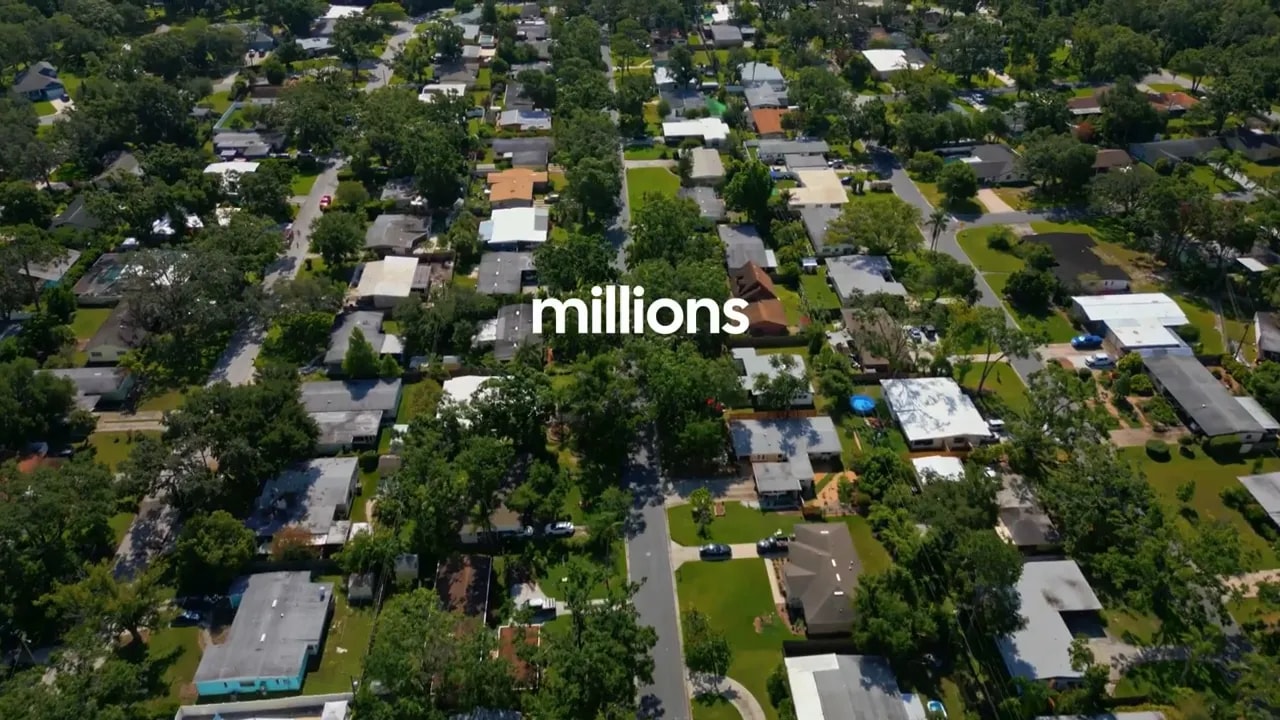
The strongest argument for this category is that demand is often mandatory, not optional. Homes age. Weather causes damage. Materials wear out. Codes change. Utility costs rise. Insurance requirements tighten. All of those forces create work that cannot be postponed forever.
There is also a housing market dynamic that supports home improvement demand. When homeowners are sitting on low mortgage rates, many prefer improving their current property over moving into a home financed at a much higher rate. Instead of relocating, they upgrade what they already own.
This combination creates a practical tailwind:
- Aging housing stock
- Weather-related wear and storm cycles
- Energy-efficiency concerns
- Insurance-driven repairs and replacements
- Homeowners staying put longer
Business Ownership Coach | Investor Financing Podcast emphasizes this point because it changes how you evaluate risk. You are not depending on a fad. You are serving a recurring need tied to real property.
Why “Boring” Can Be Better Than Trendy
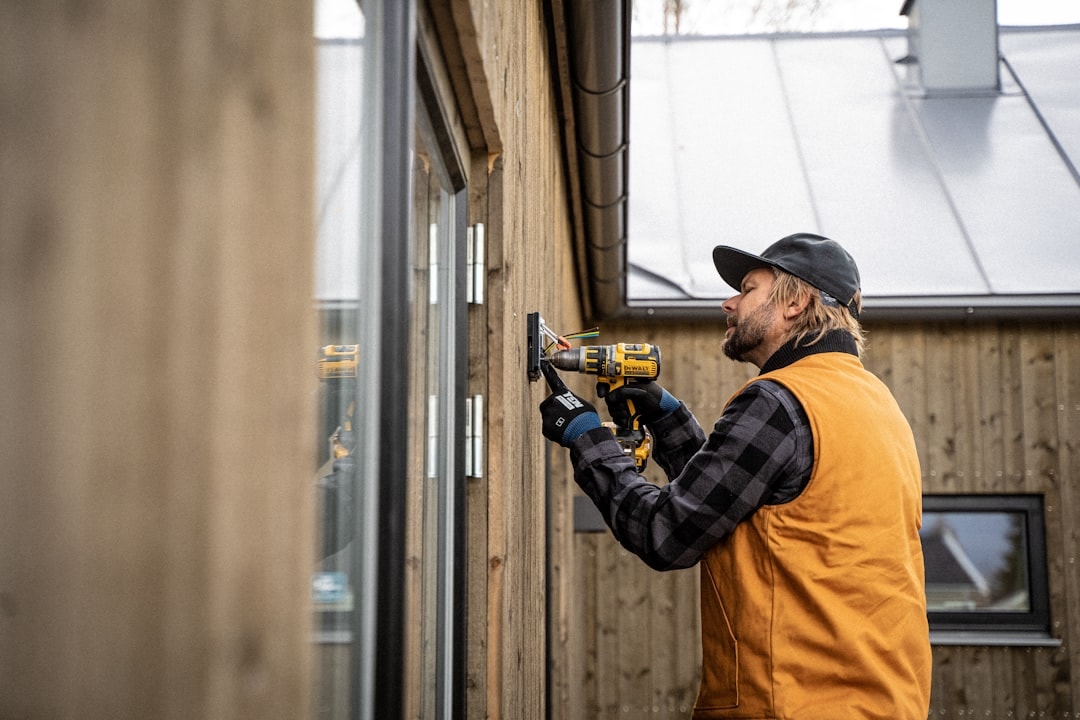
Photo by Jesus Loves Austin on Unsplash
Many first-time buyers chase glamorous categories such as software, apps, or other fast-moving ideas. Those businesses can work, but they often rely on discretionary spending or attention cycles. Exterior remodeling is different because the work is tied to physical necessity.
That makes it “boring” in the best possible way. Boring businesses can offer:
- More predictable local demand
- Higher customer urgency
- Less dependence on hype
- Tangible products with visible value
- Opportunities for repeat and referral business
Not every boring business is a great business, but categories with mandatory demand often deserve more attention than they get.
You Do Not Necessarily Need to Be a Contractor

Photo by Jimmy Nilsson Masth on Unsplash
One of the biggest misconceptions is that an owner must personally install roofs, hang doors, or understand every technical detail of exterior systems. In many cases, the owner’s role is not field labor. The role is building and managing the business.
That often includes:
- Generating leads
- Running or supervising the sales process
- Managing customer communication
- Coordinating crews or subcontractors
- Protecting margins
- Maintaining online reviews and reputation
The work on site is typically handled by trained installers or vetted subcontractors. That is why sales-oriented operators, corporate managers, and process-driven owners can perform well in this space. Business Ownership Coach | Investor Financing Podcast frames exterior remodeling less as a trade-first business and more as a sales-and-operations business supported by installation teams.
How Owners Actually Make Money in Exterior Remodeling
The economics are driven less by technical craftsmanship at the ownership level and more by execution. Core drivers include:
Lead Generation
Without consistent lead flow, nothing else matters. Owners need a repeatable local marketing engine.
Close Rate
Strong sales systems turn estimates into signed jobs. Better close rates can improve profitability without increasing ad spend.
Average Ticket Size
High-value projects give the business room to cover marketing, labor, and overhead while still preserving margin.
Pricing Discipline
Winning operators avoid racing to the bottom. They price correctly, communicate value, and protect gross profit.
Operational Efficiency
Scheduling, handoffs, supplier relationships, and customer satisfaction all affect the bottom line.
This is why execution often beats technical expertise. A disciplined operator with strong systems can outperform a highly skilled technician who lacks sales and management ability.
Why Multi-Service Exterior Companies Can Be More Stable

Photo by Jimmy Nilsson Masth on Unsplash
One underappreciated advantage of this category is service diversification. Many businesses do not rely on a single offer. They combine roofing, windows, doors, siding, and related products.
That matters because revenue can be balanced across categories. If one service slows, another may carry the schedule. Storm-related jobs can create roofing demand. Seasonal shifts can change the product mix. Existing customers may also buy again later for another part of the home.
A homeowner who replaces windows today might eventually need a new roof or siding. That creates a pipeline effect without requiring monthly subscriptions.
What to Look for When Evaluating an Exterior Remodeling Franchise or Business
If you are buying, launching, or comparing franchise systems, focus on fundamentals rather than branding alone. Business Ownership Coach | Investor Financing Podcast points to several practical filters.
1. Brand Reputation and Reviews
Look for consistent proof of quality. Reviews should reflect reliable service, not just heavy marketing.
2. Territory Quality
Strong territories usually have enough housing stock, favorable income demographics, aging homes, and enough density to market efficiently. Areas affected by storms may also present added demand.
3. Unit Economics
Pay attention to:
- Average ticket size
- Close rate
- Cost per lead
- Marketing efficiency
- Gross margin
- Net margin
If franchise financial disclosures are available, review them carefully and ask whether the numbers are realistic for your market and operating ability.
4. Vendor Relationships
Buying power can make a major difference. Better supplier terms can help preserve margins and keep pricing competitive.
5. Training and Support
The best systems provide more than a name. They help with CRM setup, sales scripts, marketing templates, onboarding, launch support, and ongoing coaching.
Mistakes That Can Sink an Otherwise Good Opportunity

Photo by Jimmy Nilsson Masth on Unsplash
Exterior remodeling may be durable, but it is not passive. Common mistakes include:
- Underestimating sales. This is not a business for owners who avoid selling.
- Ignoring KPIs. Lead cost, close rate, margin, and scheduling efficiency all matter.
- Choosing weak territories. Demand varies by housing stock and local economics.
- Failing to protect reputation. Reviews and referrals can drive future revenue.
- Assuming technical skill alone is enough. Good installs matter, but weak operations can still hurt the business.
The strongest operators stay accountable to numbers, train salespeople well, and maintain process discipline.
Who This Type of Business Fits Best
This category is often a strong fit for people who are comfortable with leadership, sales management, and process execution. That can include:
- Former sales professionals
- Managers with operational experience
- Owners who like KPI-driven businesses
- Buyers looking for essential-service demand
It may be a weaker fit for people who dislike tracking numbers, struggle to manage teams, or want a business that runs without active oversight.
How to Think About Financing and Next Steps
For buyers exploring franchises or acquisitions, financing is often part of the decision. If SBA funding may be relevant, a practical next step is to review SBA discovery options before committing to a model.
It can also help to get outside guidance on fit, especially if you are comparing several industries. For direct advisory support, schedule a consultation. If you want regular insights on buying, building, and scaling businesses, the business ownership newsletter is another useful resource.
Operators who plan to delegate admin and back-office support may also benefit from exploring virtual assistant solutions to keep sales and customer follow-up moving efficiently.
Bottom Line

Photo by Jimmy Nilsson Masth on Unsplash
Business Ownership Coach | Investor Financing Podcast makes a compelling case for exterior remodeling as a business category with durable demand, high-ticket revenue potential, and practical recession resistance. The real opportunity is not in glamour. It is in necessity.
If you are evaluating businesses based on stability, repeatable demand, and the ability to win through sales and operations, exterior remodeling deserves serious attention. The owners who tend to do best are not necessarily the best installers. They are the ones who build lead flow, manage teams well, protect margins, and execute consistently.