
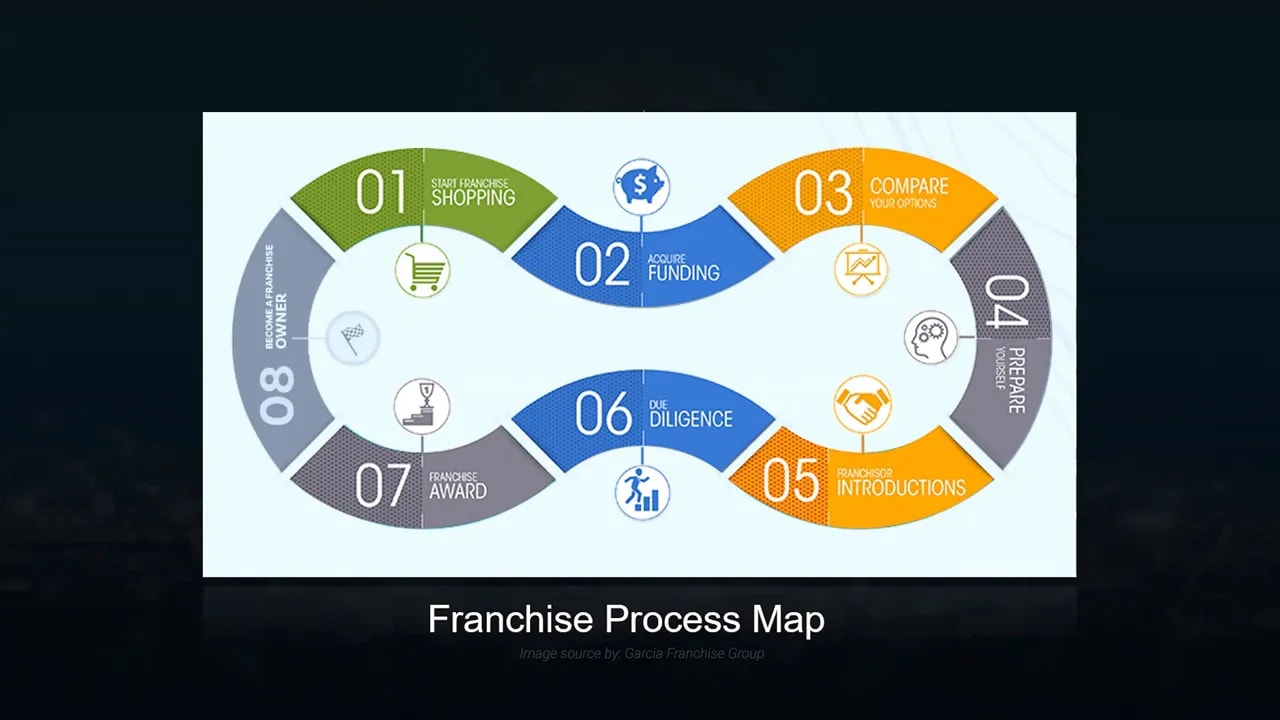
If you’re serious about owning a franchise, this practical roadmap will walk you through the eight essential steps most successful franchisees follow. As a Business Ownership Coach | Investor Financing Podcast, the goal here is to give you actionable guidance so you can evaluate concepts, secure funding, and complete the due diligence that separates good opportunities from costly mistakes.
1. Start shopping: define what you actually want
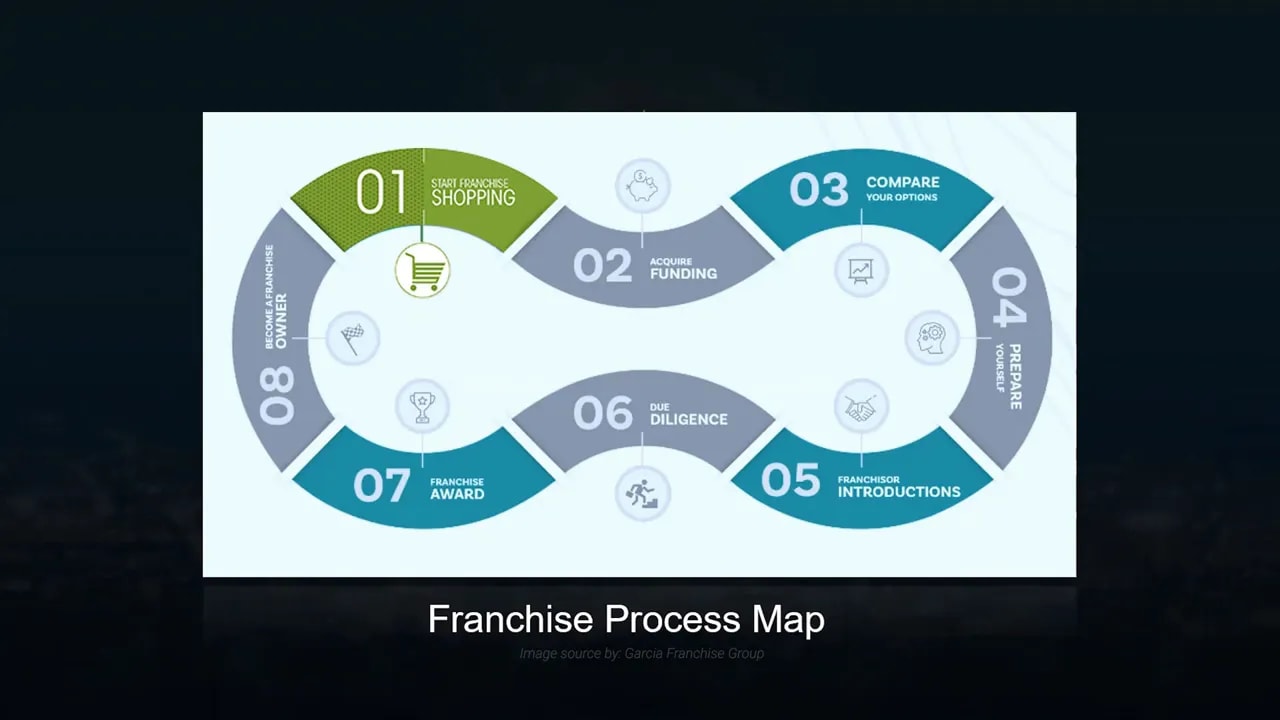
Begin by listing the criteria that matter: industry, investment range, lifestyle fit, required time commitment, and geographic restrictions. Many candidates start with an idea—restaurants, fitness, or home services—but quickly discover that a brick and mortar location might not match their goals.
Consider whether you want hands-on operations or a semi-passive role with a manager. Also decide between employee-driven models and those that rely on independent contractors. This early clarity prevents wasted time chasing concepts that won’t fit your life.
2. Acquire funding: know your options early
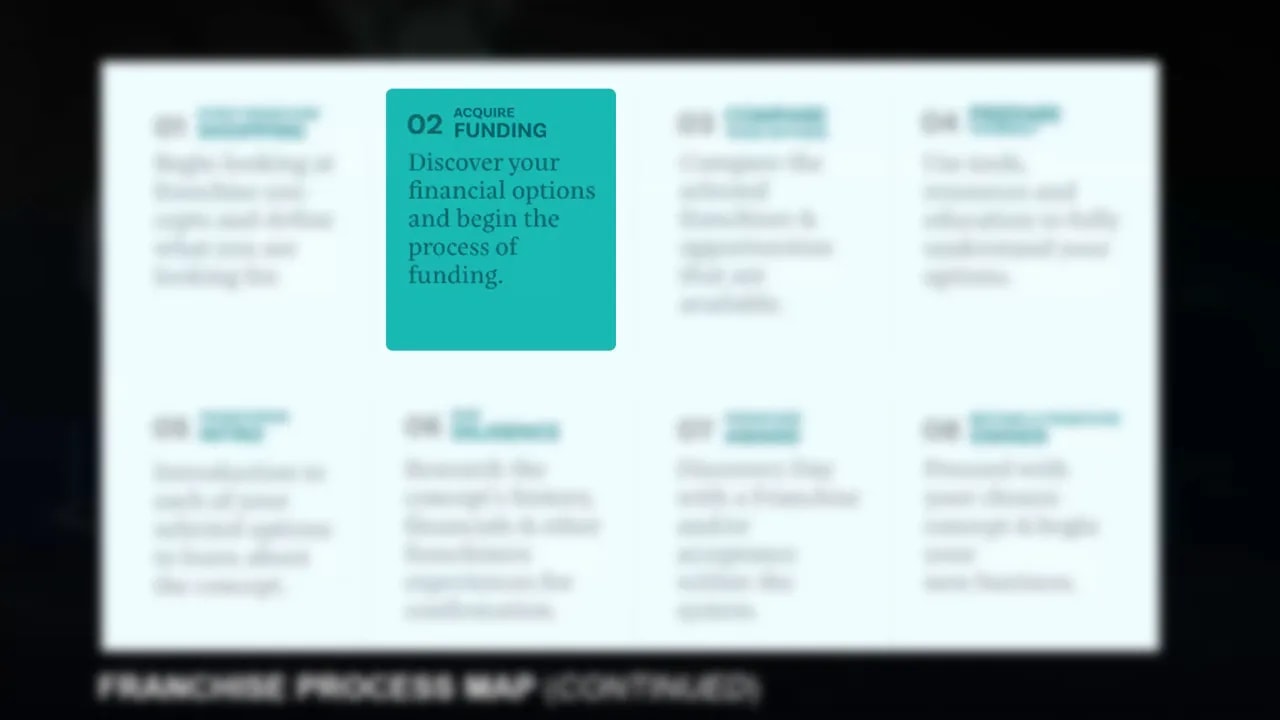
Funding shapes which franchises are realistic. Typical funding sources include:
- Personal savings and home equity — simplest but ties up your liquidity.
- Small business loans — SBA or local lenders can work with franchise models.
- Owner financing or franchisor programs — some franchisors offer financing or referrals.
- Private investors — brings partners and reporting obligations.
As a Business Ownership Coach | Investor Financing Podcast, I recommend getting a realistic financing plan before falling in love with any single brand. Lenders and franchisors will ask about your capital stack early in the approval process.
3. Compare franchise opportunities strategically

Comparing concepts means more than comparing logos. Use consistent metrics:
- Initial investment and ongoing fees — franchise fee, royalties, marketing contributions, equipment, and build-out.
- Unit economics — average revenue, profit margins, and break-even timeline from existing franchisees.
- Operational requirements — hours, staffing needs, and required certifications.
- Market saturation and territory protection — growth potential in your area.
Ranking franchises against the same checklist makes the decision less emotional and more objective.
4. Prepare yourself: learn the FDD and the business model
The Franchise Disclosure Document, or FDD, is the legally required packet that reveals the franchise system’s history and risks. Spend time on these sections:
- Item 3 — Initial fees and estimated initial investment.
- Item 7 — Estimated initial investment breakdown.
- Item 19 — Financial performance representations, if provided.
- Item 20 — List of current and former franchisees for validation interviews.
Prepare by using tools and resources—legal counsel, franchise consultants, and experienced franchisees—to translate the FDD into real-world expectations.
5. Introductions: get to know the franchisor and the system

Photo by Vitaly Gariev on Unsplash
The franchisor should walk you through the day-to-day of running the business. Pay attention to:
- Training programs and ongoing support.
- Marketing guidance and brand requirements.
- Technology stacks and reporting expectations.
- Staffing models and recommended vendor relationships.
This is the moment to ask: will their systems allow you to scale? If the franchisor’s answers feel vague or evasive, that’s a red flag.
6. Due diligence and validation: talk with franchisees
Validation means speaking with current and former franchisees listed in the FDD. Ask pointed questions:
- How close were your actual results to the franchisor’s projections?
- What are the biggest operational headaches?
- How responsive is corporate support?
- Would you do it again?
A contract review with experienced counsel is also part of due diligence. Understand renewal terms, transfer restrictions, and termination triggers.
7. Discovery day: meet the team and see the culture
Discovery day is when you typically fly to corporate headquarters for a full-day meeting. Use this day to evaluate culture and chemistry. Observe how organized the training is, meet the people who will support you, and ask for real examples of how they handle franchisee problems.

8. Becoming a franchise owner and beyond
After approval, finalize your financing, sign agreements, and begin the onboarding process. Early months are intense—staff hiring, build-out, marketing launch, and mastering operations. Maintain a learning mindset and stay engaged with the franchisor and your peer network.
Remember: growth often requires iteration. Use performance data to refine staffing, promotions, and operations.
Quick checklist before you sign
- Confirm capital stack and contingency reserves.
- Speak with at least five franchisees in similar markets.
- Review the FDD with counsel and accountants.
- Attend discovery day and request sample training materials.
- Verify territory rights and marketing obligations in writing.
Final thoughts from a Business Ownership Coach | Investor Financing Podcast

Owning a franchise can be a powerful path to business ownership when you follow a structured roadmap. From deciding what you want, through funding, comparison, and careful validation, each step reduces risk and increases your odds of creating a profitable, sustainable business.
If you adopt a disciplined process and lean on experienced advisors, the journey becomes predictable and manageable. Use this roadmap as your checklist and iterate as you gather more information. The franchise world rewards preparation.
This guide is brought to you by Business Ownership Coach | Investor Financing Podcast — practical coaching for aspiring franchise owners who want clarity and results.