
If you are exploring build-to-rent as a development strategy, understanding the capital stack and creative financing options is essential. As a Business Ownership Coach | Investor Financing Podcast, the goal here is to break down what build-to-rent means, the financing headwinds developers face, and practical structures—like combining PACE with senior debt—that can increase leverage and boost returns.
What is Build to Rent?
Definition and why it matters

Build to rent refers to developments of single-family or townhome-style units designed from the ground up to be rental inventory. Instead of one multifamily building, you get a subdivision of homes—20, 50, 150 or more—operated as a single rental community.
This format addresses a shifting renter profile: many people do not want to own or live in an apartment, but they crave the space and feel of a detached home. Build-to-rent creates a product that meets that demand while offering consistent cash flow for operators and predictable maintenance profiles for investors.
Financing Challenges and Opportunities
Why traditional lenders treat these differently
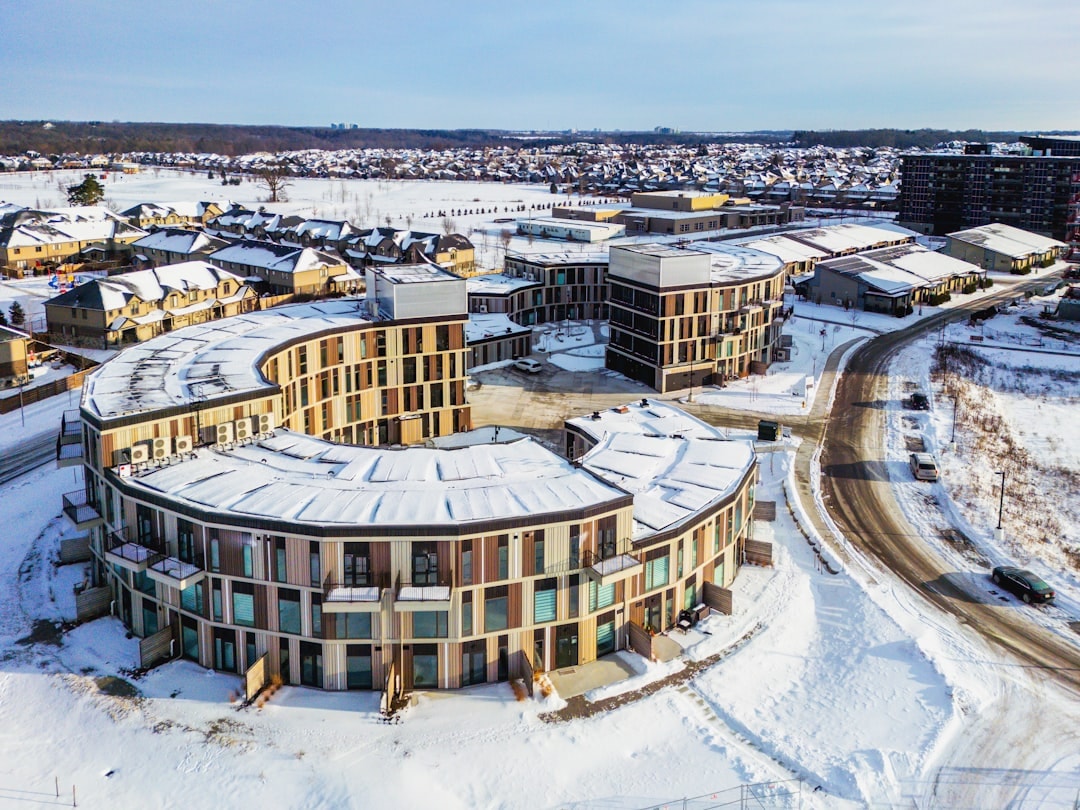
From a lender’s viewpoint, build-to-rent is not always a neat fit. It is often a scattered-site product—many parcels, multiple units across a subdivision—which doesn’t look like one typical multifamily asset. That can make banks pause, and it often reduces the pool of financing willing to take these deals.
On the flip side, the product has attractive underwriting characteristics: new construction, lower maintenance costs early on, and the ability to price rents competitively in underserved markets. Recognizing those strengths creates an opening for nontraditional capital stacks and hybrid funding structures.
PACE + Senior Debt: How It Works

Using PACE equity to increase leverage
One promising route is pairing PACE-style financing with traditional senior debt. PACE, which funds energy efficiency and other green-eligible upgrades, can act like junior equity in the capital stack. This allows developers to:
- Preserve senior debt capacity by shifting eligible items to the PACE layer.
- Increase overall leverage since PACE sits alongside or subordinate to the senior lender.
- Fund green upgrades that lower operating expenses and improve net operating income long term.
When structured properly, combining PACE with a senior construction or acquisition loan improves returns because you can finance items that would otherwise be paid out of equity and simultaneously capture the upside of reduced operating costs.
Regulatory and Zoning Caveats
Parceling, zoning, and lender requirements
There are important legal and title issues to watch. If lots are individually parceled and zoned residential rather than commercial, some financing sources—including certain PACE programs—may not be available or may impose restrictions.
Practical steps to mitigate regulatory friction:
- Consolidate parcels where possible. Lenders prefer a clean, aggregated collateral package.
- Confirm zoning early and engage local counsel to interpret municipal rules for rental subdivisions.
- Document long-term operating plans so underwriters understand cash flow stability and management.
Expect to do more homework on title and entitlements than you would with a single building multifamily loan. These costs and timelines should be factored into your development pro forma.

Operational Upsides and Investor Attraction
Why renters and investors both like build-to-rent
Build-to-rent delivers a unique value proposition: high-quality, low-maintenance housing in good locations. That combination creates strong leasing velocity and lower turnover headaches. For investors and operators:
- New construction lowers capex in the early years.
- All-inclusive management models can streamline operations and pricing.
- Institutional capital is increasingly interested in scaled single-family rental portfolios.
If you can deliver well-located, well-built product and demonstrate a disciplined plan for leasing and maintenance, you open the door to larger investors and repeatable exits.

Other Plays to Watch: ADUs and Market Partnerships
Accessory dwelling units and agent networks
Beyond large subdivisions, two adjacent areas deserve attention. First, accessory dwelling units (ADUs) are booming in certain markets. In places like California, streamlining ADU construction and financing creates densification opportunities on existing lots.
Second, building relationships with investor-friendly broker agents across markets helps surface deals and creates an ecosystem for scaling. A coordinated broker network can speed acquisition, identify favorable micro-markets, and provide local intelligence about zoning and entitlements.
Practical Steps for Developers
Checklist for pursuing build-to-rent with creative financing
Use this checklist when structuring a build-to-rent project:
- Confirm zoning and parcel structure up front.
- Model the capital stack with PACE as a potential junior layer for eligible items.
- Engage lenders early to discuss scattered-site underwriting criteria.
- Plan for portfolio-level management to drive operating efficiencies.
- Build partnerships with local brokers and ADU specialists if pursuing complementary strategies.
Build-to-rent is not a fad. It is a structural shift in how rental housing is built and operated, and with the right financing strategy—particularly creative pairings like PACE and senior debt—developers can access higher leverage and better ROI. Keep the regulatory landscape, title issues, and lender expectations front of mind, and use local partnerships to accelerate execution.

Interested in getting a fast quote for a single-family rental portfolio or exploring customized financing? Consider running your numbers against multiple structures and prioritize lenders that understand scattered-site underwriting.