
Business Ownership Coach | Investor Financing Podcast readers: build to rent is one of the clearest growth plays in residential development right now. As a Business Ownership Coach | Investor Financing Podcast author, I walk through what build to rent means, why it is expanding, and practical financing pathways—especially creative combinations like PACE equity blended with senior construction debt.
What is Build to Rent?
Build to rent describes purpose-built single family or townhome-style homes developed specifically as rental properties. Instead of one multi-family building with a dozen units, imagine a subdivision of 20, 50 or even 200 detached homes where each dwelling is designed, constructed, and managed for renters rather than buyers.
This product sits between traditional single-family ownership and the classic apartment complex. It offers renters the feel of a house—no shared corridors, private yards, and more privacy—while landlords capture the scalability of professionally managed income properties.
Why the Build to Rent Trend Is Accelerating
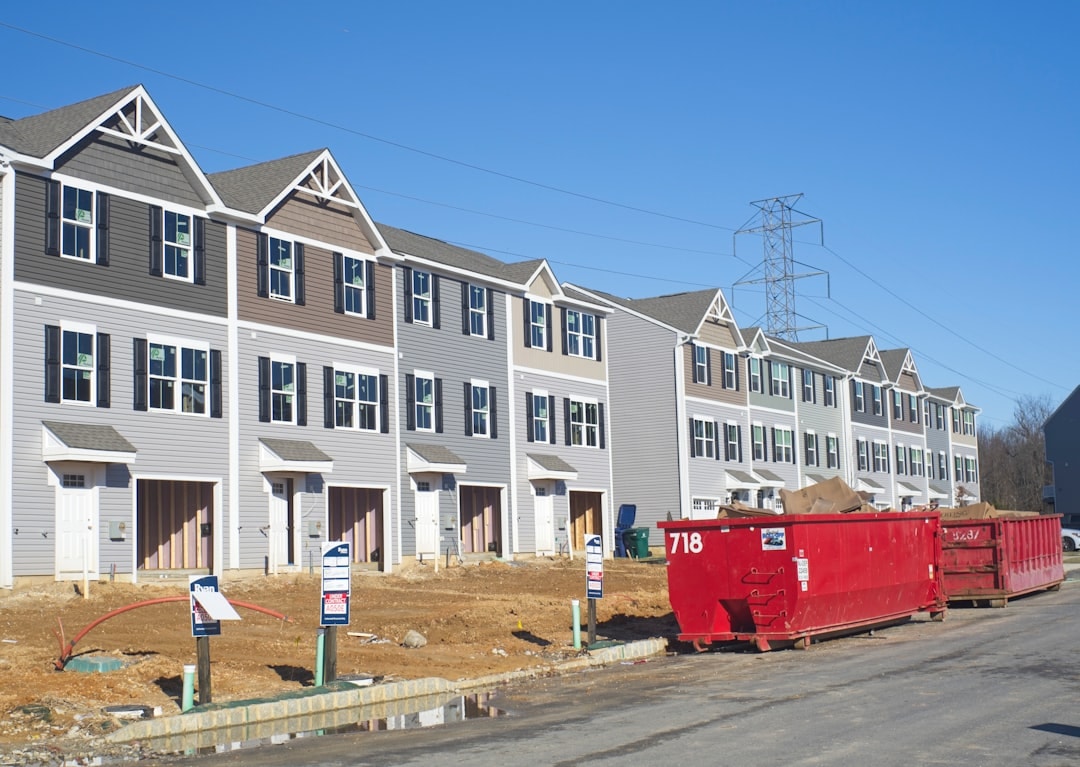
Photo by Ilya Chunin on Unsplash
Several structural forces are driving demand:
- Demographic preference: Many renters want the lifestyle of a single-family home without the commitment of ownership.
- Supply gap: Home prices and lending constraints keep ownership out of reach for a segment of the market.
- Institutional interest: Operators and funds like the predictable cash flows and scale opportunities.
- Lower maintenance for renters: New-build homes mean less short-term maintenance headaches and consistent standards across a community.
For developers and investors, build to rent can deliver attractive returns if the project is structured correctly from land acquisition through lease-up and long-term operations.
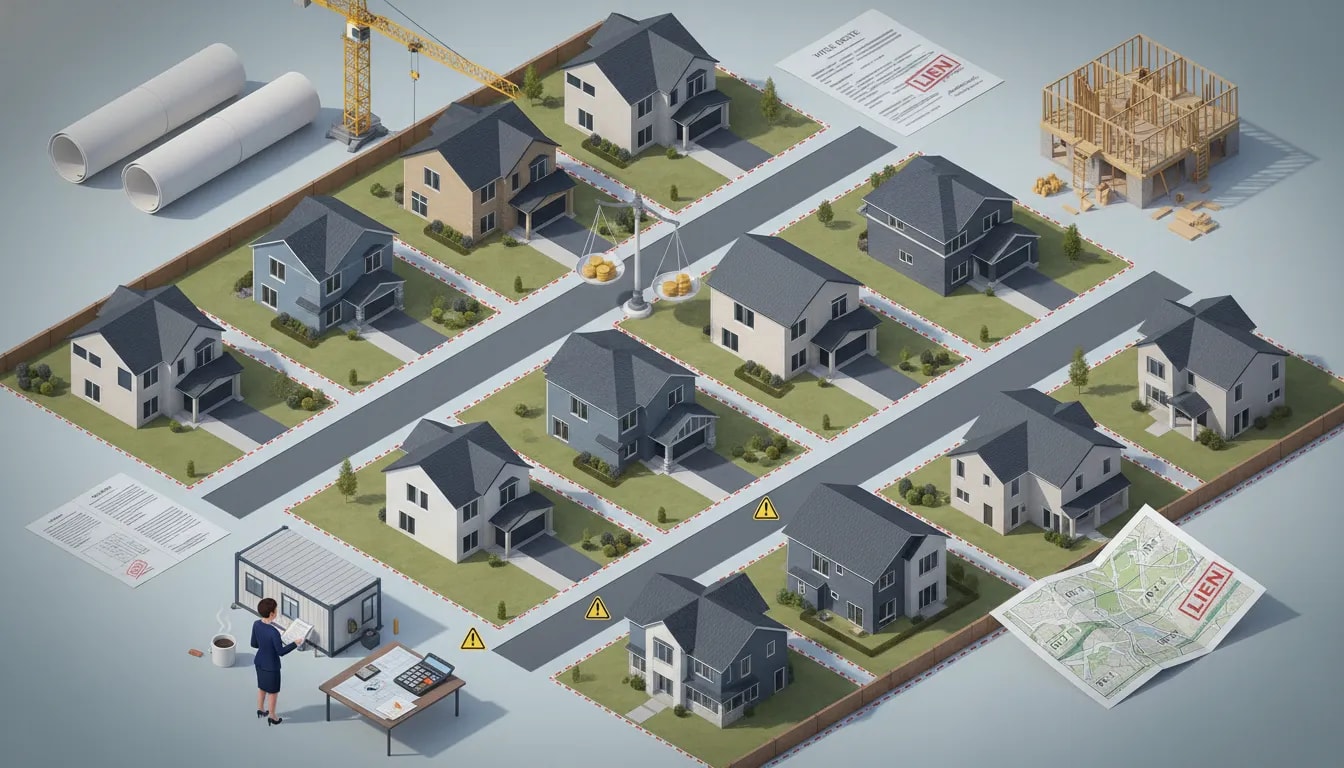
Financing Challenges in Build to Rent
Despite the demand, financing build to rent can be more complicated than financing a single multi-family building. Lenders and investors often categorize risks differently because:
- These projects are frequently scattered site portfolios rather than one contiguous asset.
- Individual lots may be parceled separately, creating title and collateral complexities.
- Zoning can vary—the lots might be tracked as residential rather than commercial, affecting lender appetite.
Conventional construction lenders may hesitate because they underwrite based on a single property cash flow model. That’s why creative capital stacks are emerging to bridge the gap.
PACE Equity and Senior Debt: A Powerful Combination

Photo by Ernie Journeys on Unsplash
One of the most interesting solutions is combining PACE equity with senior construction debt. PACE—Property Assessed Clean Energy—financing is designed to fund energy efficiency and green-eligible improvements. In a build to rent community, PACE can finance items like solar panels, efficient HVAC, or other qualifying green construction.
Why combine PACE with conventional senior debt?
- Higher leverage in the capital stack: PACE can cover a portion of capital expenditures that might otherwise require more developer equity or mezzanine debt.
- Improved returns: Funding green-eligible items through PACE reduces upfront cash needs, improving project IRR for equity investors.
- Operational savings: Lower utility costs make properties more attractive to renters and can stabilize long-term cash flow.
Operationally, the typical structure is senior construction debt for hard costs and land acquisition, with PACE financing layered to pay for qualifying upgrades. This requires careful underwriting coordination and title work so the PACE lien plays nicely with senior lenders.
Practical Caveats: Parcels, Zoning, and Documentation

Photo by Ernie Journeys on Unsplash
Not every build to rent project is PACE-friendly right out of the gate. Key issues to resolve early include:
- Parcel configuration: Individually parceled lots can complicate lender collateral. Aggregation or single-entitlement structures make underwriting easier.
- Zoning classification: If the land is zoned strictly residential, some commercial lenders and certain PACE programs may hesitate. Early consultations with local planning and the PACE administrator help avoid surprises.
- Title and lien priorities: PACE assessments are attached to property tax bills in many jurisdictions. Confirm how these liens rank relative to mortgage debt.
Address these items during pre-development so you can present a clean package when seeking a pre-approval or term sheet. A strong feasibility package includes site plans, pro forma rent rolls, construction budgets, and a clear explanation of the intended PACE improvements.
How to Position Your Project for Pre-Approval

Photo by Ernie Journeys on Unsplash
When pursuing a pre-approval or a pre-funding term sheet, lenders want clarity and repeatable assumptions. Make these elements easy to find:
- Clear business plan: Define unit mix, rental targets, lease-up timeline, and property management strategy.
- Construction budget and schedule: Break down hard and soft costs, identify contingencies, and show a realistic timeline.
- Site legal structure: Demonstrate how parcels will be titled and what steps are in place to address lien priority.
- Energy and PACE scope: Identify PACE-eligible items and the expected cost, savings, and payback timeline.
- Exit assumptions: Even if the plan is long-term hold, lenders want to see sensitivity scenarios and potential refinance or sale projections.
Presenting a professional, fully documented package speeds up underwriting and increases the likelihood of competitive terms.
Accessory Dwelling Units and Adjacent Opportunities
Beyond build to rent, consider ADUs (Accessory Dwelling Units) as a complementary strategy. In markets with strong ADU legislation and demand, adding ADUs can boost rental income, increase density without large land acquisitions, and sometimes qualify for green upgrades too.
ADUs require separate permitting and sometimes different financing, but they fit naturally into a portfolio strategy that prioritizes flexibility and multiple income streams.

Final Thoughts and Next Steps
Build to rent is not a passing fad. It is a structural response to shifting housing needs and investor appetite for scalable, professionally managed residential product. Pairing traditional senior debt with creative sub-debt or PACE equity can make projects financially feasible while preserving upside for developers and investors.
If you are preparing a build to rent pitch, focus on clean title work, a clear PACE scope, and a realistic construction and lease-up plan. Those items will help you secure stronger pre-approval terms and build investor confidence.
For more hands-on help, bring together your construction budget, site legal structure, and a PACE scope of work before you approach lenders. A well-packaged request gets you to the finish line faster.