
Business Ownership Coach | Investor Financing Podcast is about practical, cash-flow-first approaches to acquiring a business without blowing your savings. The surprising truth is that buying a profitable, cash-flowing business often requires far less capital upfront than most people assume. With the right deal structure, motivated buyers can get into ownership with as little as 10% down. As a Business Ownership Coach | Investor Financing Podcast host, I focus on the models and funding strategies that actually work in 2026 so new owners step into immediate cash flow instead of a long bootstrap slog.

Photo by Giorgio Tomassetti on Unsplash
Why most people never become business owners
Two myths keep talented employees stuck in W-2 roles. Myth one: you need a fortune in savings to buy a business. Myth two: entrepreneurship always means starting from zero and waiting years for profitability. Both are false when you know how to buy a business that already produces cash flow and how to fund that purchase sensibly.
Many people also underestimate complexity. They hear “buy a business” and imagine paperwork and risk without guidance. That’s where coaching and the right network remove barriers. A practical mindset, paired with an understanding of financing tools, changes the game. The role of a Business Ownership Coach | Investor Financing Podcast is to demystify those tools and point buyers to business types that align with lower down payments and steady earnings.

Photo by Vitaly Gariev on Unsplash
How buyers get in with as little as 10% down
Getting into ownership with ~10% down relies on three levers: seller financing, SBA lending, and creative deal structures.
- Seller financing bridges valuation gaps and reduces cash outlay. Sellers who want a clean exit but also a steady transition often carry part of the purchase price.
- SBA loans are designed to support small business acquisitions and can significantly lower required equity. Understanding SBA qualification and packaging is a core function of a Business Ownership Coach | Investor Financing Podcast.
- Earnouts and performance-based payments align incentives and lower immediate cash needs while protecting buyers from overpaying for projected growth.
Combine these creatively: a buyer could put 10% down, get 50% financed through an SBA-backed lender, and have the remaining balance covered by seller financing or an earnout. The monthly payments are then covered by the business’s cash flow, not the buyer’s personal savings.
Business models that are thriving in 2026
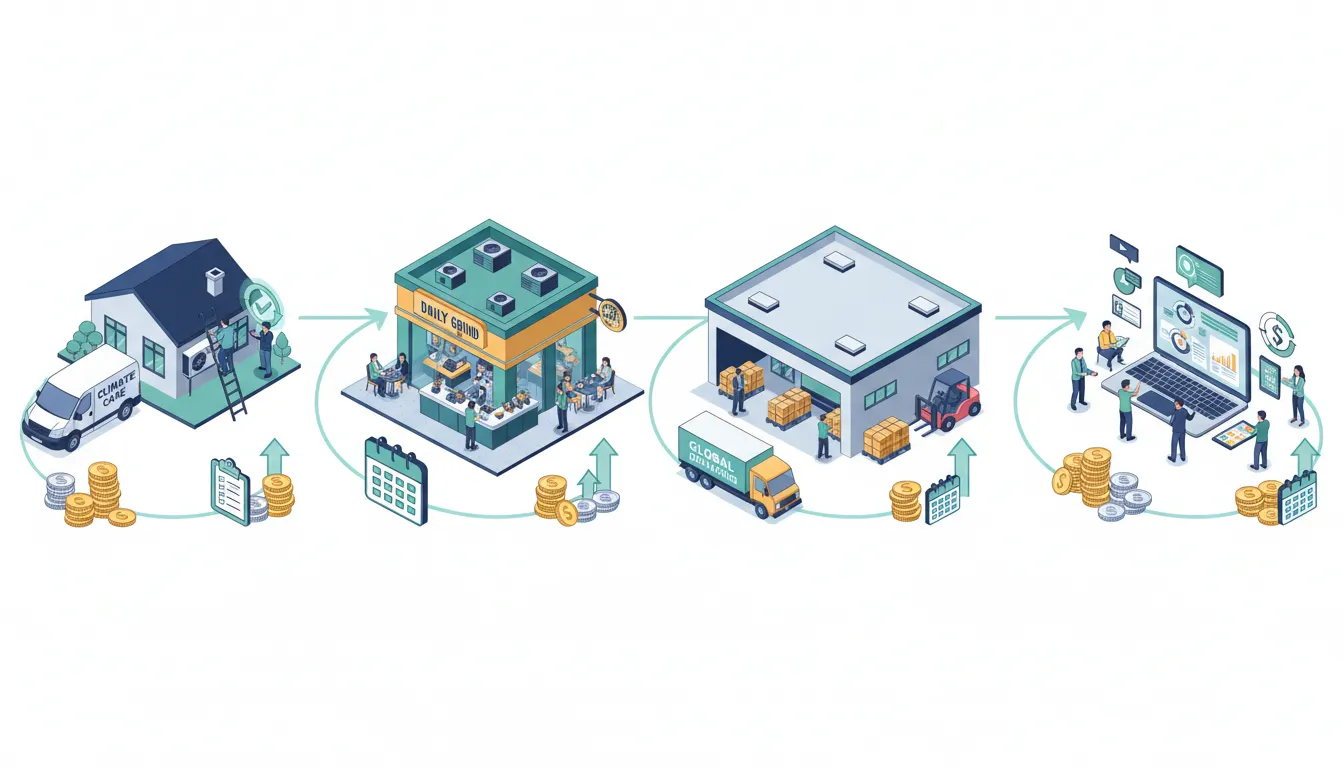
Not every business is a great acquisition target. The models that make sense for leveraged buyers in 2026 share common traits: repeatable revenue, low capital expenditure, proven margins, and scalable operations. Examples include:
- Service-based businesses with recurring customers — HVAC, commercial cleaning, specialty landscaping. Predictable service contracts and maintenance streams make cash flow reliable.
- Certain franchises — Franchises can reduce startup risk and often have lender familiarity, which helps with SBA approval.
- Light manufacturing or distribution with established B2B relationships — Stable orders and inventory management systems are attractive to lenders.
- Digital businesses with real revenue — Subscription products, SaaS, or content platforms that have verified earnings and customer retention metrics.
As a Business Ownership Coach | Investor Financing Podcast, I emphasize businesses where the owner can step into existing systems and leadership, rather than needing to invent a repeatable process from scratch.
Why these models work and how to evaluate them
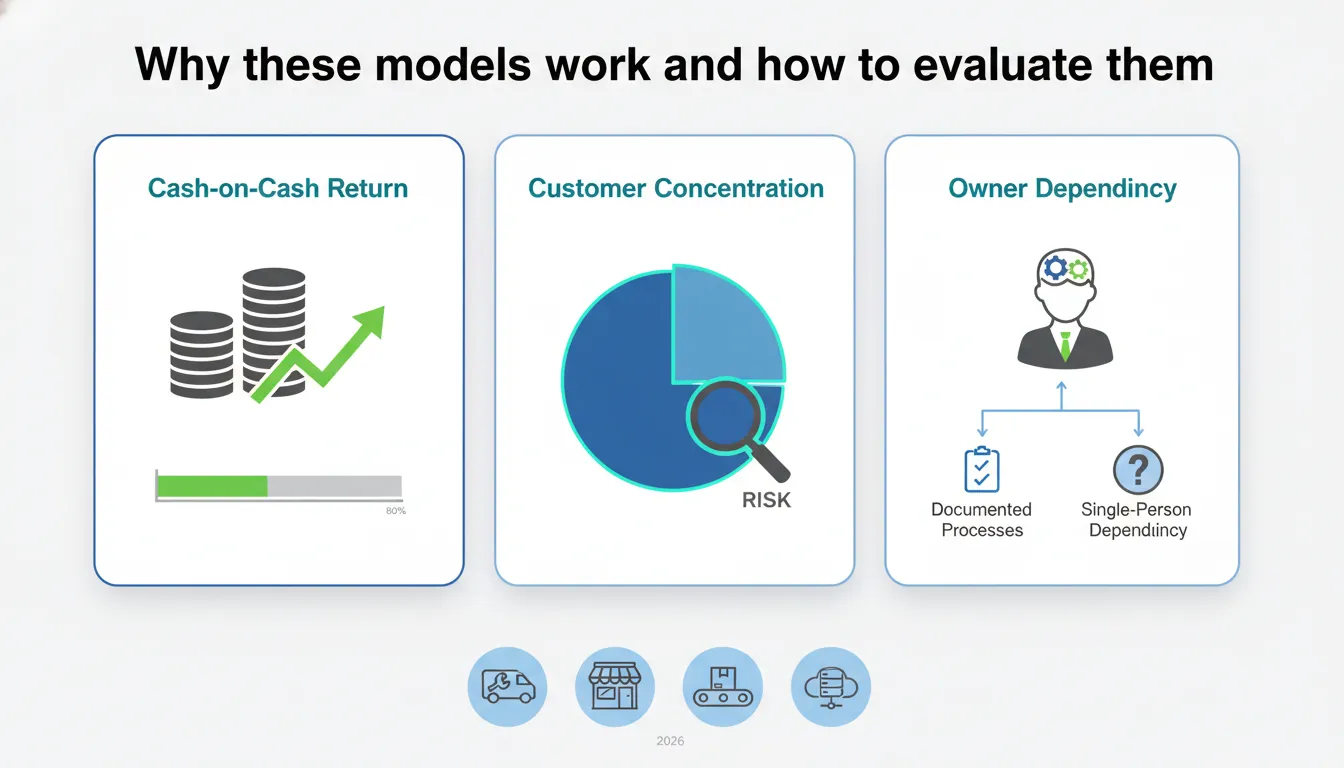
When evaluating targets, measure three things: cash-on-cash return, customer concentration, and operational dependency on the current owner.
- Cash-on-cash return tells you whether the business can service new debt and still give you a return.
- Customer concentration exposes risk. If a single client accounts for 40 percent of revenue, the business is fragile.
- Owner dependency determines transition risk. A business where processes are documented and key staff can be retained is far easier to finance.
Understanding these metrics helps buyers structure offers that lenders accept. A lender wants to see that the business’s cash flow covers debt service. That’s why the narrative and the numbers both matter. Proper packaging of the loan application is a strength of a Business Ownership Coach | Investor Financing Podcast approach.

How SBA financing fits into the picture
SBA loans are not magical, but they are powerful. They typically offer longer terms and lower down payments than conventional financing for small business acquisitions. Key points to know:
- Approval criteria include the buyer’s experience, the business’s historical performance, and the reasonableness of the purchase price relative to earnings.
- Down payment can be mitigated through seller carry, personal investment, or investor partners to hit the ~10% threshold.
- Documentation matters. Clean financial statements, a solid management transition plan, and realistic pro forma projections increase approval odds.
Pairing SBA financing with seller carry and a clear transition plan is a repeatable formula. As a Business Ownership Coach | Investor Financing Podcast, helping buyers assemble the right documentation and lender story is one of the highest-value services I provide.
Next steps for aspiring buyers
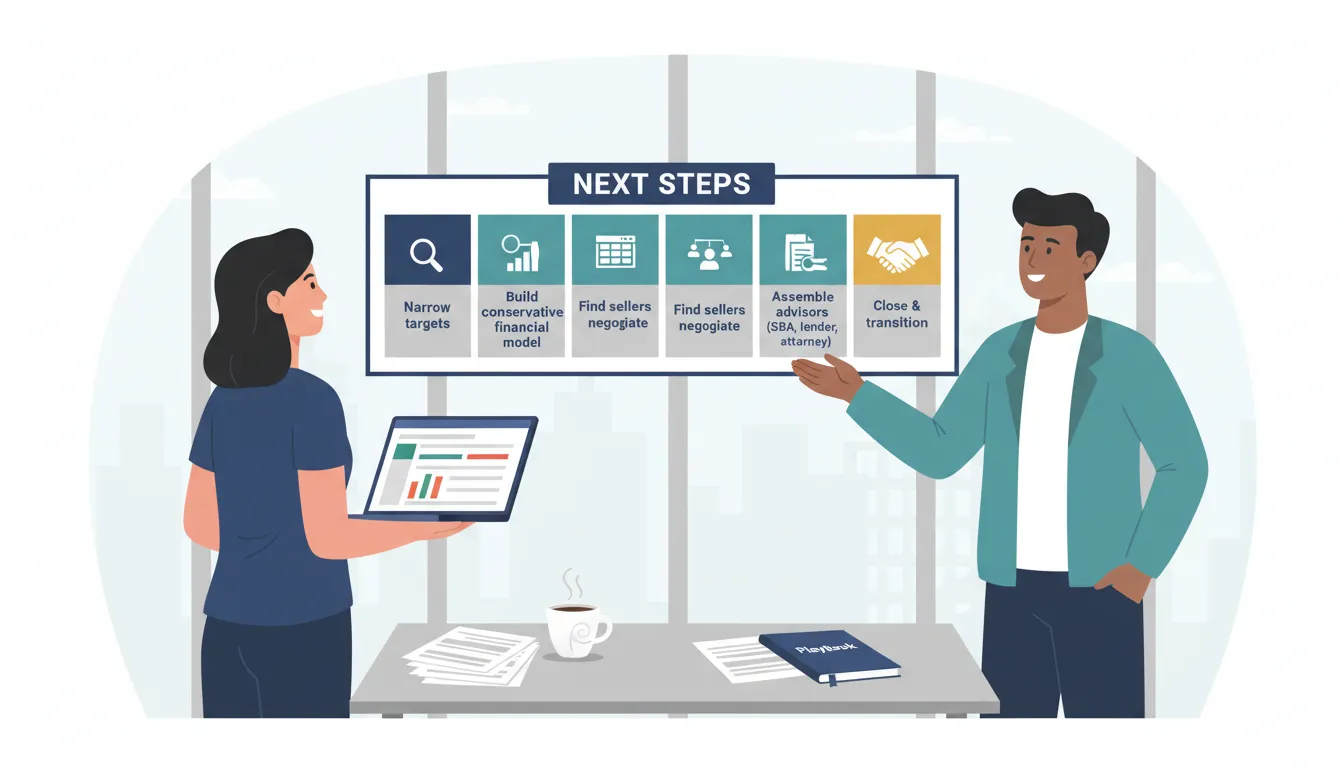
Be methodical. Start by narrowing the business types you understand and can lead. Build a conservative financial model showing how the business pays the new debt. Seek sellers open to creative financing and prepare to demonstrate operational competence.
Surround yourself with advisors who know SBA lending, deal structuring, and the industries you’re targeting. A focused support team shortens the learning curve and increases your chances of closing a deal that is both affordable and profitable.
Every buyer’s path is different, but the common denominator for success is preparation. Use tools and coaching to remove guesswork and make offers that win. The role of a Business Ownership Coach | Investor Financing Podcast is to equip you with that playbook and the confidence to execute.
Key takeaways
- Buying a cash-flowing business with minimal down payment is possible when you target the right models and structure the deal.
- SBA financing plus seller carry and earnouts are powerful levers for minimizing upfront capital.
- Focus on repeatable revenue, low owner dependency, and documented processes to reduce transition risk.
- Work with advisors who understand how lenders evaluate acquisitions and how to package a winning financing request.
If you want a guided approach to sourcing targets, structuring offers, and packaging SBA loans, get help from professionals who specialize in these deals. The disciplined path is what separates buyers who become owners from those who only dream about it. A Business Ownership Coach | Investor Financing Podcast framework provides that discipline and the proven templates that make ownership attainable.