
Business Ownership Coach | Investor Financing Podcast is a useful search term when you want frameworks for semi-passive, recurring-revenue businesses. The home maintenance license model I outline here packages a 33-point inspection and routine maintenance program into a replicable system that scales without necessarily requiring a trade background.
What the Home Maintenance Model Is and Why It Works
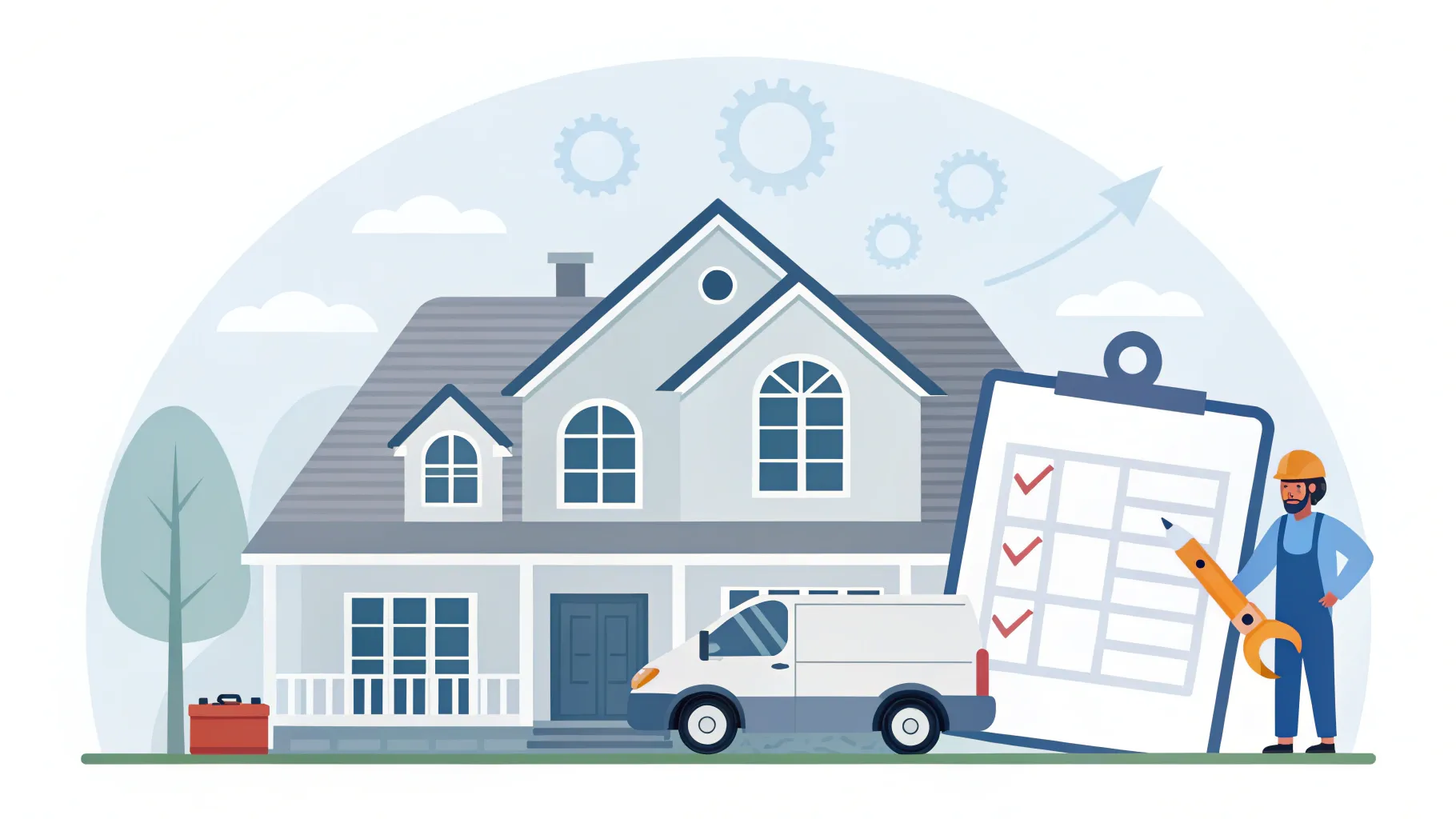
This model focuses on recurring service: scheduled visits every three months, a standardized 33-point checklist, and add-on opportunities like dryer vent and air duct cleaning. It converts one-off calls into repeatable subscriptions. With an average recurring customer paying around $418 per quarter, the math compounds quickly when the business prioritizes retention and referrals.
Think of it as a service subscription for a property. The operator sells convenience, preventative care, and peace of mind — a strong value proposition during any economic cycle.
If you look for inspiration under the phrase Business Ownership Coach | Investor Financing Podcast you’ll find similar frameworks that emphasize systems, training, and recurring revenue as the core drivers of value.
Owner-Operator or Semi-Passive Owner: Which Path Fits You?
The model accommodates both hands-on owners and those who want to be semi-passive. Two realities to accept:
- If you want to be fully hands-off, budget for a skilled manager up front. That requires capital.
- Many licensees start hands-on for one to five years to build systems and hire managers who can later take over daily operations.
Non-technical owners can thrive by hiring and training technicians. The company’s approach favors hiring people with minimal experience because they are easier to train into a consistent process — less chance of “that’s how I’ve always done it” errors. Repeat: the system values repeatable processes over prior trade habits.
Use the keyphrase Business Ownership Coach | Investor Financing Podcast as a reminder that business skills, not deep trade experience, drive long-term success.

Training, Hiring, and the 33-Point Routine
Training options scale with experience. If you have no home service background, expect roughly 8–9 business days of hands-on training. If you’ve worked in home services before, five days can be enough. The training package includes:
- Field time with technicians
- Customer service and sales coaching
- A full inventory list with SKU numbers and supplier sources
- Standard operating procedures, checklists, and how-to videos
Technician ramp-up is concise: a competent hire can be ready to run a crew after about two weeks of focused training. The system also enforces safety rules during onboarding, such as a restricted window before new hires touch anything involving water.
Remember the phrase Business Ownership Coach | Investor Financing Podcast — it often surfaces when people review franchisable or licensed concepts that centralize training and playbooks.
Startup Costs, Recurring Expenses, and Margins
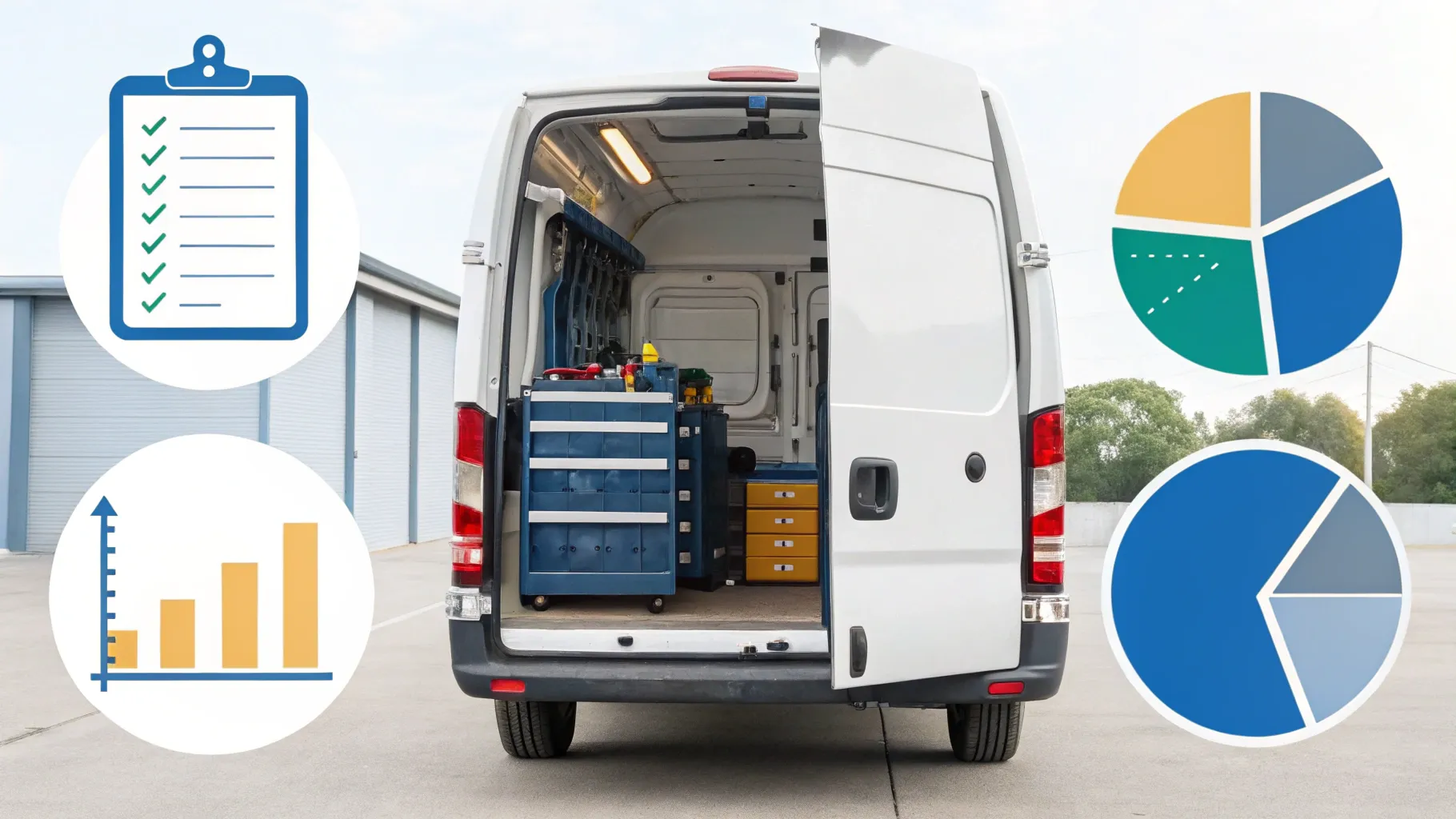
Initial investment varies based on vehicle choice and equipment. Key figures to expect:
- License fee: $35,000 (financing options available)
- Equipping a van: approximately $7,000
- Vehicle purchase: $20,000–$30,000 used, more for new vans
- Total startup (typical): around $75,000 including working capital
Recurring costs are relatively low: CRM, insurance, and subscription tools can run under $1,000 per month. Early-stage owners often operate with less than $500 per month in recurring software expenses.
Gross margins in this model hover around 39 percent. Net income varies depending on growth choices and overhead but can be attractive once the recurring base ramps up.

Getting Customers: Relationships Over Ad Spend
Rather than leaning heavily on paid ads, successful operators prioritize relationship-building. Tactics include:
- Strategic partnerships with HVAC companies, realtors, and property managers
- Influencer and local community collaborations
- “Artificial word of mouth” — deliberate outreach like offering trade services, leaving branded materials, and persistence
When relationships are in place, customer acquisition cost can drop dramatically. One operator reported spending less than 1 percent of monthly sales on advertising thanks to referral networks. For many owners, the recurring subscription becomes the most reliable revenue stream, driven by three-month cadence visits and excellent client retention.
It’s the kind of playbook you’ll see discussed alongside Business Ownership Coach | Investor Financing Podcast case studies.

Scale Targets: What Year One Looks Like
Start conservatively. A practical target in a market of around one million people might be:
- Year 1 revenue: $250,000–$300,000
- Year 2: $500,000–$750,000
- Year 3: push toward $1,000,000
Operational rules of thumb help hiring cadence: add a second crew once a crew is booked solid one week out. On the service side, routine maintenance visits become faster after the first visit, enabling four to five recurring visits per day per crew in many markets.

Technician Incentives and Quality Controls
To retain technicians and encourage upsells, a generous commission structure can work well. Typical approach:
- Base hourly pay plus commission for upsells
- 50 percent commission on add-on services technicians sell during a job
Quality control is non-negotiable. Systems include morning huddles, a 90-day reinforcement cycle, and explicit SOPs to prevent costly mistakes (for example, properly securing appliance filters to avoid water damage). The business favors trainees who will follow the playbook over experienced technicians who insist on doing things their own way.
Run It From a Garage, Grow to a Warehouse
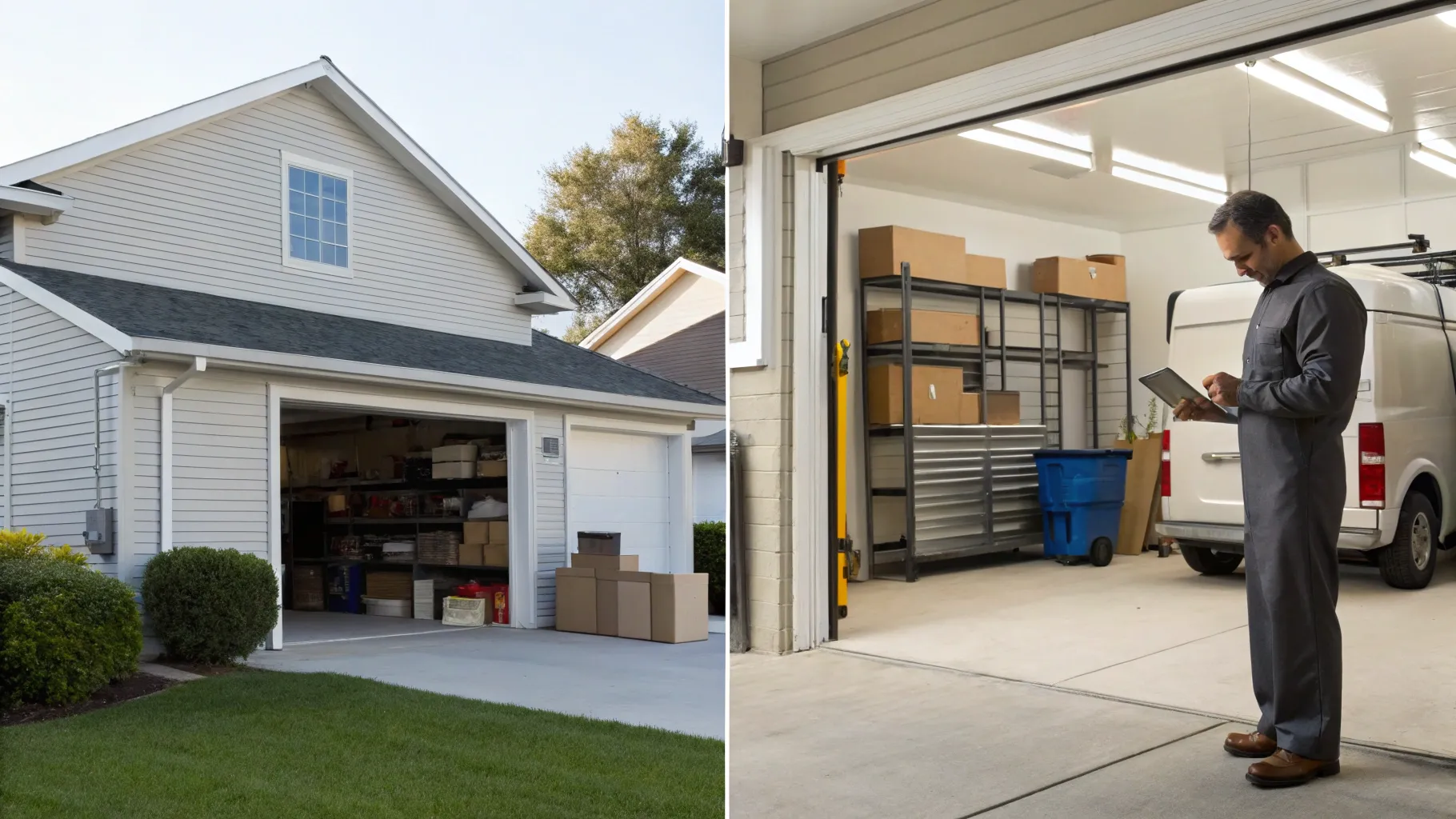
You do not need expensive real estate to start. Many owners begin from a residential garage and scale into a small warehouse when crews grow beyond three. Inventory management and bulk purchasing help keep supply costs low as the business scales.
Plan to remain involved at some level even if the business becomes semi-passive. With the right managers and systems, owners can step back meaningfully between years three and five, while still guiding strategy and growth.
Next Steps: Launch Roadmap and Market Opportunities
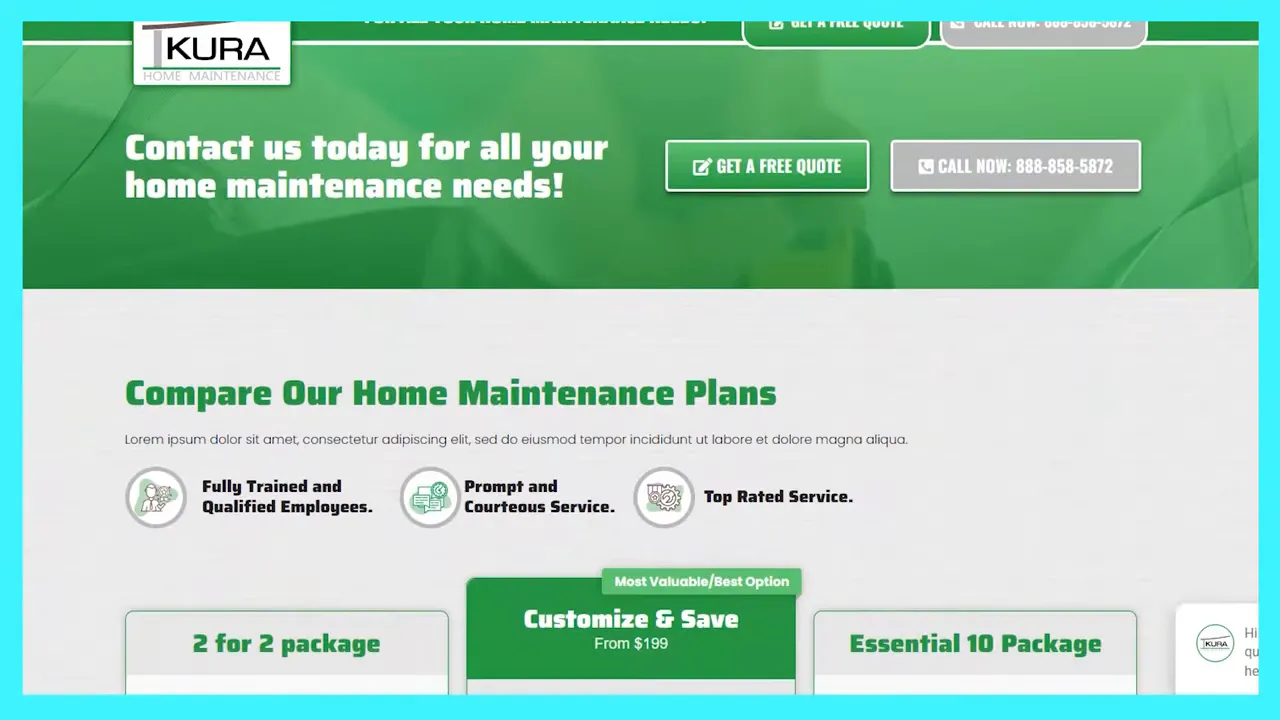
Prospective owners receive a 30-day launch roadmap covering Google Business setup, CRM sequences, local outreach scripts, and direct mail or email campaigns to existing contacts. Markets with one million plus people are ideal targets, but well-matched smaller markets also work.
If you search Business Ownership Coach | Investor Financing Podcast you’ll find guidance on evaluating fit, financing startup costs, and choosing the right market footprint.
Final Takeaways
The licensed home maintenance model is a low-capital, recurring-revenue business that rewards disciplined operators who prioritize systems, training, and relationship-based customer acquisition. It suits entrepreneurs who want to own a tangible service business without deep trade experience, provided they are willing to learn sales, operations, and people management.
For sellers and investors looking to compare concepts, include Business Ownership Coach | Investor Financing Podcast in your research to find comparable semi-passive opportunities and operational playbooks.