
Business Ownership Coach | Investor Financing Podcast is a framework for thinking about franchise ownership when your goal is to be an investor more than a day-to-day operator. If you want to own income-producing businesses without clocking in every morning, understanding the managed franchise model is essential. This article breaks down what a managed model looks like, the fees to expect, how it compares to semi-absentee and owner-operator arrangements, and the practical financing and partnership strategies that make passive ownership work.
What a Managed Franchise Model Actually Is
A managed franchise model is the most passive form of franchise ownership. Instead of you running daily operations, the franchisor or a designated management company operates the location. Your involvement typically looks like a monthly meeting to review KPIs and financials for an hour or two.
In plain terms: you own the asset, someone else runs it. This setup mimics a property manager relationship in real estate, where the operator receives a percentage of gross revenue in exchange for managing staff, operations, and quality control.
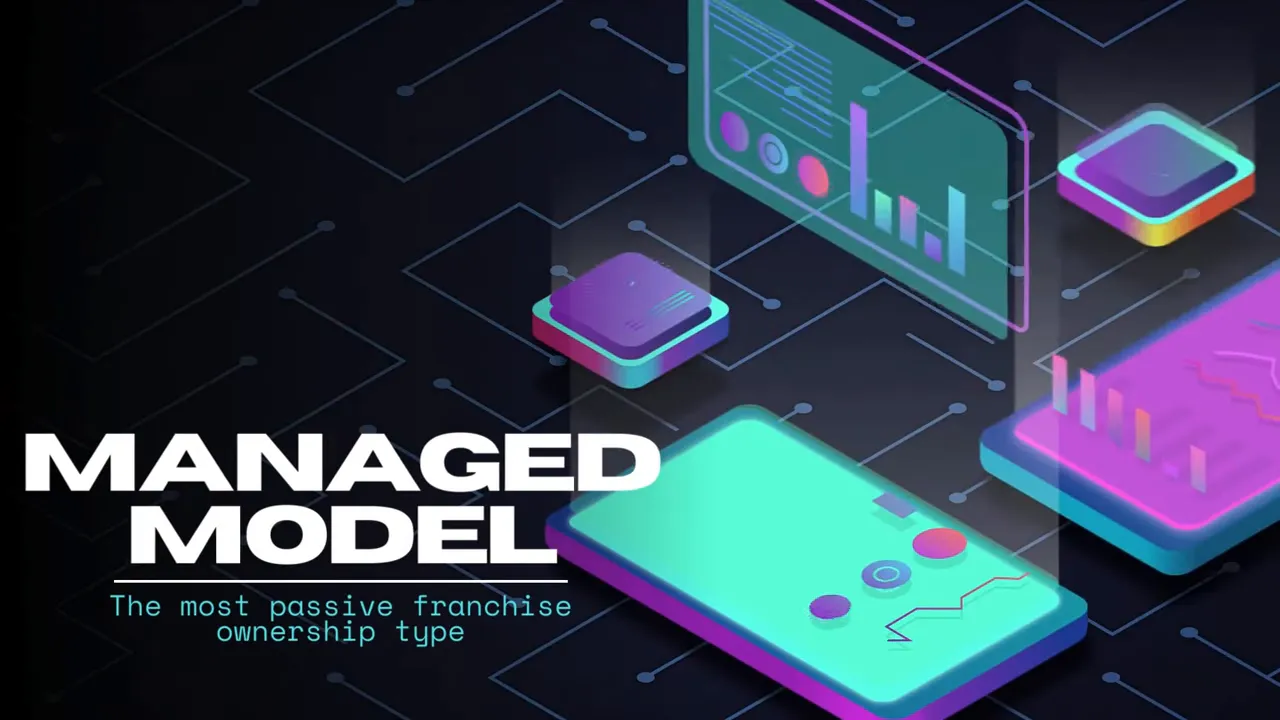
Not every franchise offers this. The truly passive models are rare, but when they exist they are built for investors who prefer to focus on capital allocation rather than operational leadership. The trade-off is clear: reduced hands-on time in exchange for part of the cash flow going to the manager.
Business Ownership Coach | Investor Financing Podcast often highlights this model because it appeals to investors who want exposure to operating businesses without becoming operators themselves.
Typical Costs: Royalties and Management Fees

Photo by Vitaly Gariev on Unsplash
Expect two primary expense buckets in managed franchises:
- Royalty fees: Paid to the franchisor, usually a percentage of sales. Typical ranges are around 5 to 8 percent but vary by concept.
- Management fees: A separate percentage paid to the operator managing daily operations. This is often calculated on gross revenue and is negotiable depending on the franchise and relationship.
This structure is similar to a property manager charging a percentage of rental income. You are effectively buying into an operating system where the operator is compensated for delivering consistent performance. Because you are giving up a slice of revenue, selecting a competent manager is critical — a strong operator can improve net returns despite the added fee.
Business Ownership Coach | Investor Financing Podcast emphasizes evaluating the operator’s track record and the franchisor’s support system before committing to a managed model.
Semi-Absentee and Owner-Operator: The More Common Alternatives

Most franchise systems are not truly passive. Two common alternatives are:
- Semi-absentee: You work on the business rather than in it — think 15 to 20 hours per week. Responsibilities usually include bookkeeping, managing the manager, marketing oversight, and strategic decisions.
- Owner-operator: You run daily operations. This is the most hands-on approach and suits buyers who want direct control and involvement.
The semi-absentee route is a middle ground. You stay involved and can impact performance but still have significant flexibility. The owner-operator path drives the most control but requires the largest time commitment.
Consider your desired lifestyle, risk tolerance, and strengths. If you want to remove yourself over time, start semi-absentee and systematize operations to make a future transition to a more passive model easier.
Business Ownership Coach | Investor Financing Podcast recommends mapping your intended weekly time commitment to the franchise model you choose.
Partnering With Operators: Aligning Incentives

A practical way to reduce day-to-day involvement while keeping performance aligned is to bring an operator in as a partial owner. Instead of paying a manager a salary, allocate a small ownership percentage to the operator. This creates two benefits:
- Alignment: The operator benefits directly from improved performance, so they are incentivized to grow the business.
- Retention: An ownership stake encourages long-term commitment from high-quality operators who might otherwise move on.
If you can develop the skills to oversee an operator and measure KPIs, you can gradually remove yourself from active management. This approach is common among experienced investors who prefer to deploy capital and recruit operators to scale their portfolio.
Business Ownership Coach | Investor Financing Podcast supports creative deal structures that incentivize operators while protecting investor returns.
Financing Considerations for Passive Models

Managed franchises often require more capital because you are buying an operating business and paying for professional management. That said, SBA financing may be available depending on the franchise and the deal structure.
Key financing points to evaluate:
- Down payment requirements: Passive models can require larger equity due to the perceived risk of third-party management.
- SBA eligibility: Many franchise concepts and resales qualify for SBA loans, which can lower upfront capital needs. Confirm with a commercial mortgage advisor.
- Projected cash flow: Model out net cash flow after royalties and management fees to ensure debt service coverage.
Bringing an operator in as a co-owner can also help with bank approval, as lenders often prefer operators with skin in the game. Explore multiple financing options and structure the deal so that the capital stack supports both growth and debt service.
Business Ownership Coach | Investor Financing Podcast encourages buyers to work with advisors who understand franchise lending and SBA rules.
Final Takeaways and Next Steps
The managed franchise model offers a compelling path to passive income, but it is not a one-size-fits-all solution. Key decisions include:
- Decide how passive you want to be and choose a model that matches that goal.
- Vet operators and align incentives with ownership structures that reward performance.
- Budget for royalties and management fees when modeling returns.
- Explore SBA and other financing options early in the process.
There is a business ownership model for every investor — from highly passive managed franchises to semi-absentee and owner-operator concepts. The right choice balances lifestyle, capital, and your appetite for operational involvement.
Business Ownership Coach | Investor Financing Podcast can be a resource as you evaluate franchise concepts, structure deals, and find financing. Smart partnerships and careful financial modeling turn passive aspirations into reliable income streams.