
Are you searching for a low-overhead, scalable business opportunity that can supplement or even replace your W2 income? As a seasoned Business Ownership Coach | Investor Financing Podcast host with over 26 years of experience in lending and real estate, I’ve seen many entrepreneurs struggle to find the right entry point into business ownership. Today, I want to introduce you to a cutting-edge business model that combines artificial intelligence with traditional vending—AI vending machines—that offers a semi-passive income stream with minimal time commitment and exciting growth potential.
This article will walk you through everything you need to know about launching and scaling an AI-powered vending business, from how the technology works to financing options, tax benefits, and market trends. If you’re a busy professional, W2 employee, or aspiring entrepreneur, this could be the gateway business you’ve been waiting for.
Photo by Evan Hancock on Unsplash
What Is AI Vending and Why Is It a Game-Changer?
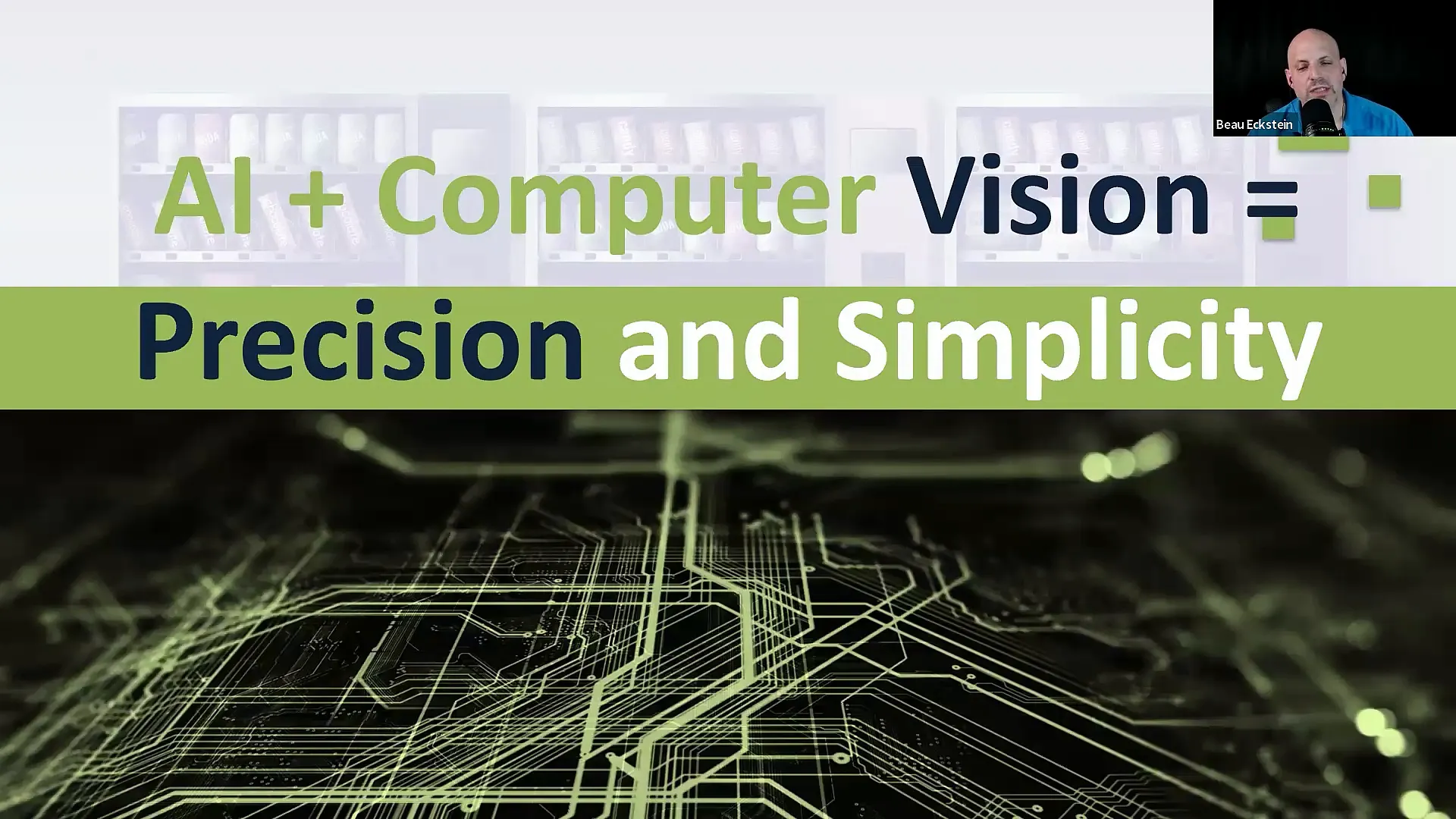
AI vending machines represent the next evolution in unattended retail. Unlike traditional vending machines that rely on coils, motors, and coin mechanisms, AI vending machines use computer vision and artificial intelligence to create a smooth and modern shopping experience. This technology recognizes products by shape, color, and size, allowing customers to pick up, evaluate, and even put back items before finalizing their purchase—all without any physical checkout process.
Imagine walking up to a vending cooler, scanning a QR code with your phone, and instantly unlocking the door. You grab what you want, close the door, and your Apple Pay or credit card is automatically charged for only the items you took. No fumbling with coins, no waiting in line, and no risk of theft going unnoticed. The system tracks every movement precisely, making it a seamless and secure transaction for both the user and the business owner.
Ideal Locations and Product Flexibility
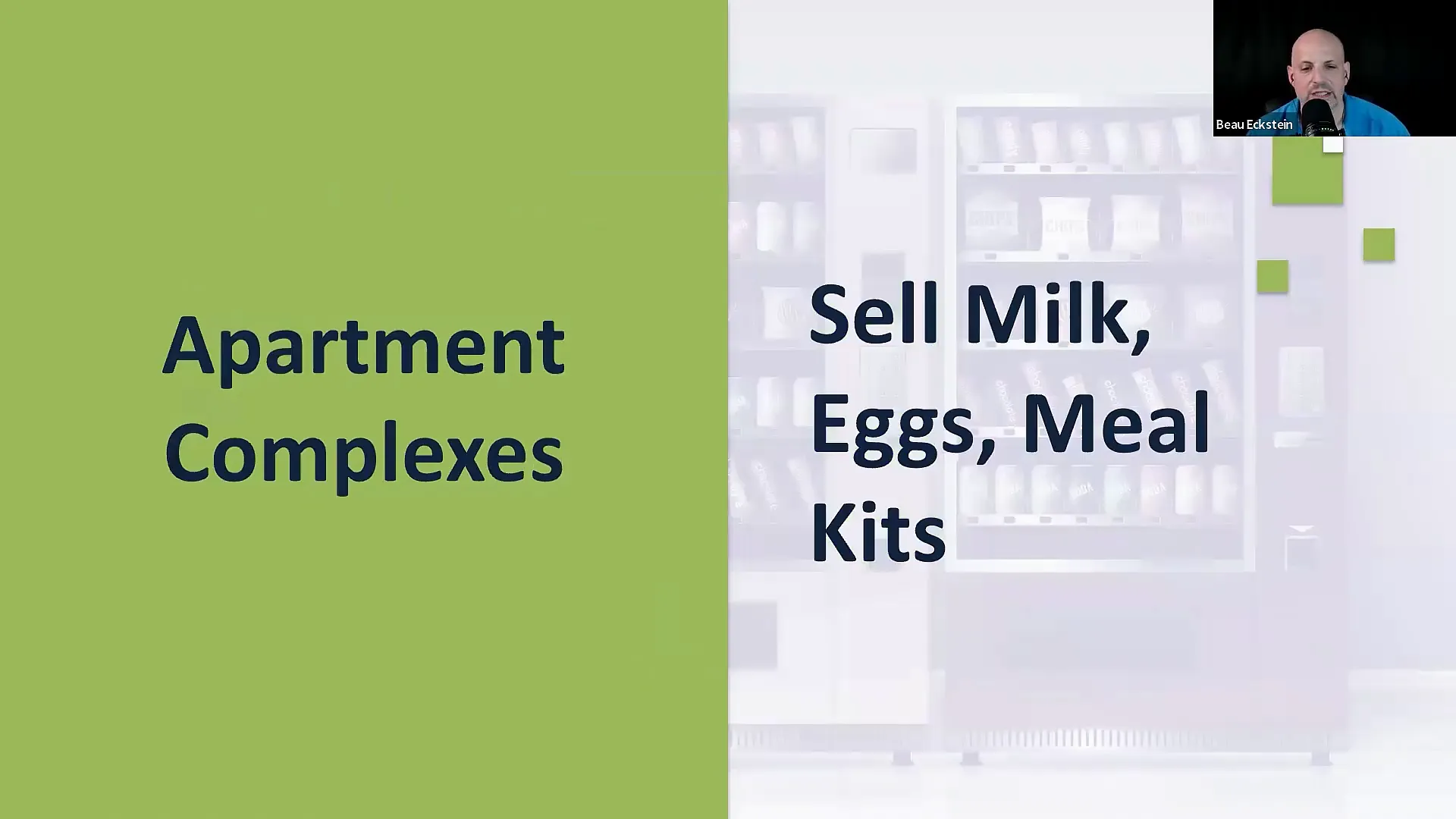
One of the most exciting aspects of AI vending is its versatility. These smart vending machines can be placed in a wide variety of high-traffic locations such as apartment complexes, hotels, office buildings, college campuses, and even micro markets. Because the machines don’t rely on traditional coils, there is no restriction on product size or type. This allows you to stock everything from fresh milk and eggs to protein shakes, frozen meals, snacks, and hotel essentials like toothbrushes and deodorant.
Operators can tailor their product mix remotely, adapting to customer preferences and seasonal demands without physically opening the machine. This flexibility not only enhances customer satisfaction but also reduces maintenance costs and downtime. Plus, you can install multiple units or add warming systems for hot food, allowing you to expand your offerings as your business grows.
Why AI Vending Is Easier and More Profitable to Launch Than Traditional Vending
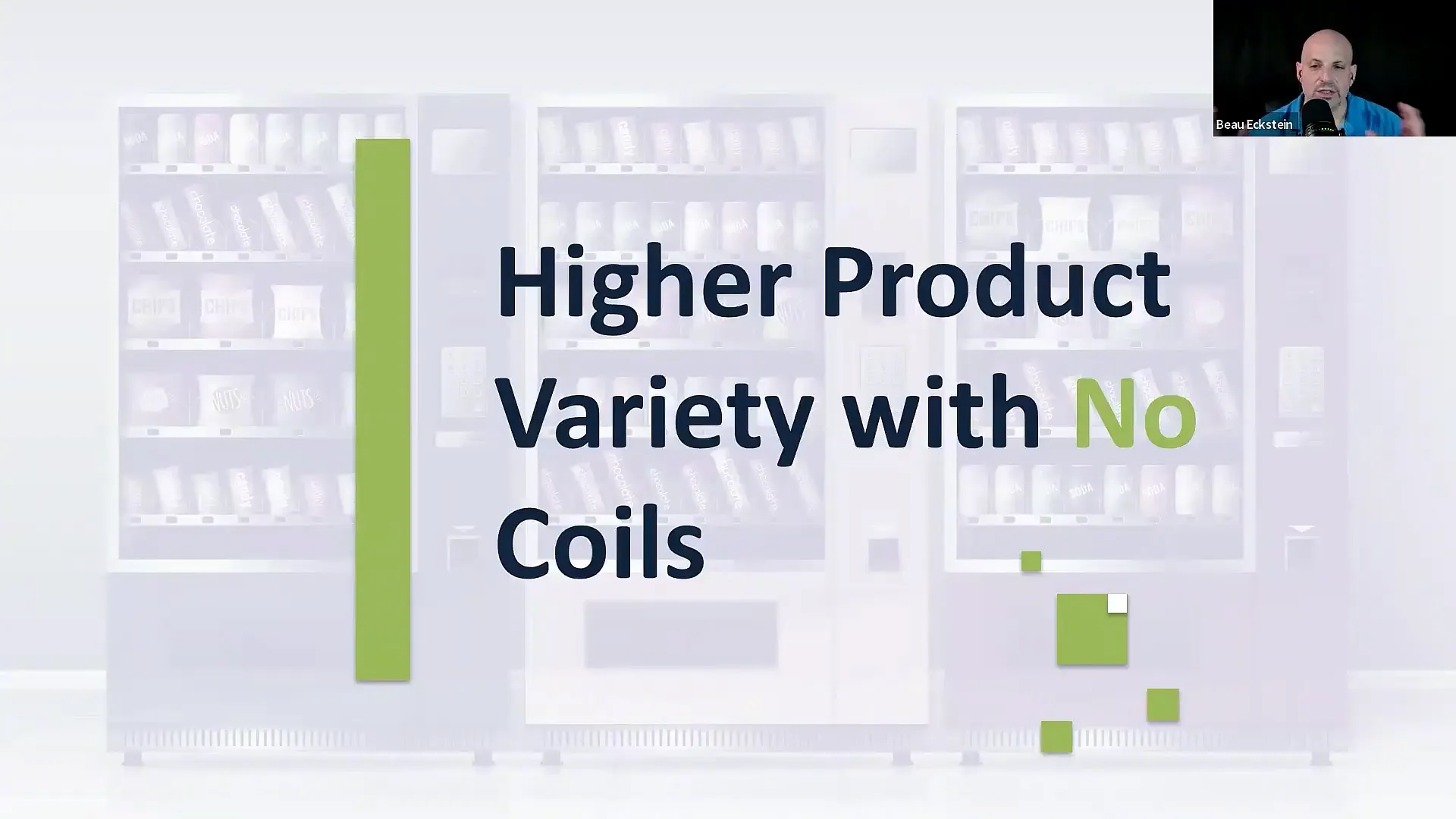
Traditional vending machines can be a headache with their mechanical parts—coils that get stuck, motors that fail, and coin mechanisms that jam. AI vending machines eliminate these issues, drastically reducing maintenance and repair costs. Without keypads or physical payment slots, the machines are simpler and more reliable.
Moreover, AI vending machines handle sales tax automatically and offer higher average ticket prices since customers tend to buy more items per transaction due to the tactile shopping experience. The machines also come equipped with digital screens for in-machine advertising, creating an additional revenue stream by promoting local businesses or products directly to your customers.
Perhaps best of all, this business model is perfect for semi-absentee ownership. You only need to spend about an hour per week per machine on restocking and maintenance, which means you can keep your full-time job while building your vending empire. You can also scale efficiently by hiring gig workers or even involving family members to help manage the day-to-day operations.
Comprehensive Support and Training to Ensure Your Success
Getting started with AI vending is much more accessible than you might think. The company I work with provides white-glove delivery and installation services, ensuring your machines are set up in prime locations. They also offer a two-day intensive training program to help you understand the technology and operational aspects of the business, as well as ongoing lifetime coaching and support to help you grow.
They assist with securing high-traffic locations, selecting the right product mixes, and optimizing your routes. This comprehensive support system is ideal for first-time business owners who want a proven model backed by expert guidance.
The Exploding Vending Machine Market: Why Now Is the Time to Act
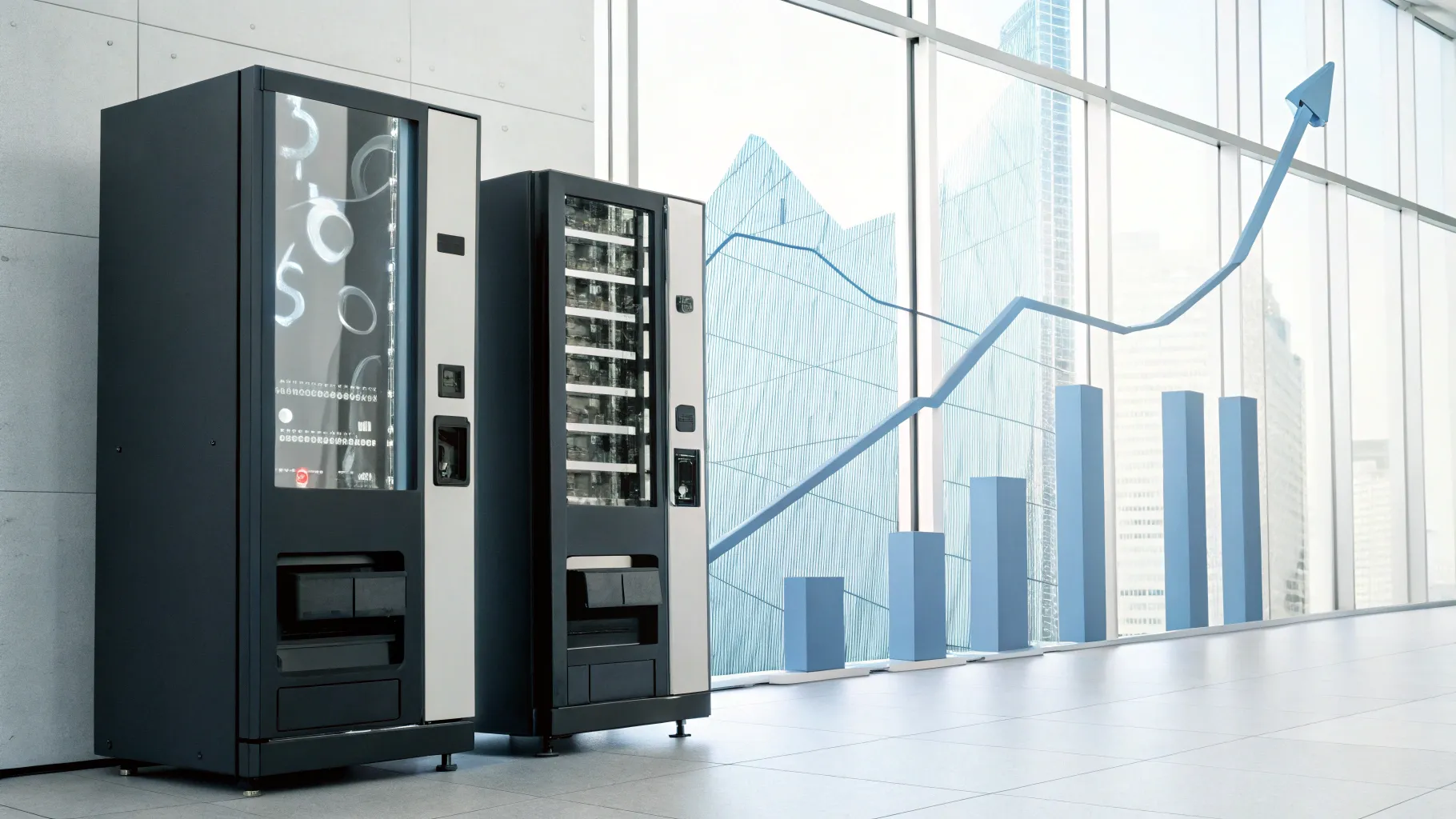
The unattended retail market is booming. In 2024, the US vending machine market was valued at over $15 billion and is projected to grow to nearly $18 billion by 2030. In 2023 alone, vending and micro market sales surged from $21 billion to $26 billion, surpassing pre-pandemic levels.
With over 7 million vending machines in the US—approximately one for every 50 people—more than 14 million consumers already shop at unattended retail locations. Another 48.6 million are willing to adopt this convenient shopping style. The average vending machine generates about $525 per month, contributing to an $18.2 billion industry overall.
These figures highlight the tremendous opportunity for entrepreneurs looking to enter or expand in this space. AI vending machines are poised to take a significant share of this growing market due to their superior technology and customer experience.
Tax Advantages and Financing Opportunities
One of the biggest benefits of investing in AI vending machines is the ability to leverage tax deductions through Section 179 and bonus depreciation. When you purchase vending machines as business assets, you can depreciate their value, potentially offsetting other earned income on your tax return. While I’m not a CPA, this tax strategy can be a powerful tool to help you keep more money in your pocket each year.
Financing is also very accessible. If you purchase about 10 machines totaling $100,000, you can use SBA (Small Business Administration) financing to cover up to 90% of the cost, including additional working capital. For example, with a $120,000 total project cost, you might only need to put down around $12,000, with the rest funded by an SBA loan. This low money-down opportunity makes it easier for many aspiring entrepreneurs to get started.
As your business grows and becomes profitable, you can leverage your tax returns to secure further financing, such as buying commercial real estate or expanding your operations. SBA loans are a highly leveraged and federally guaranteed financing option that many banks, credit unions, and lenders offer.
Comparing Vending to Real Estate for Cash Flow
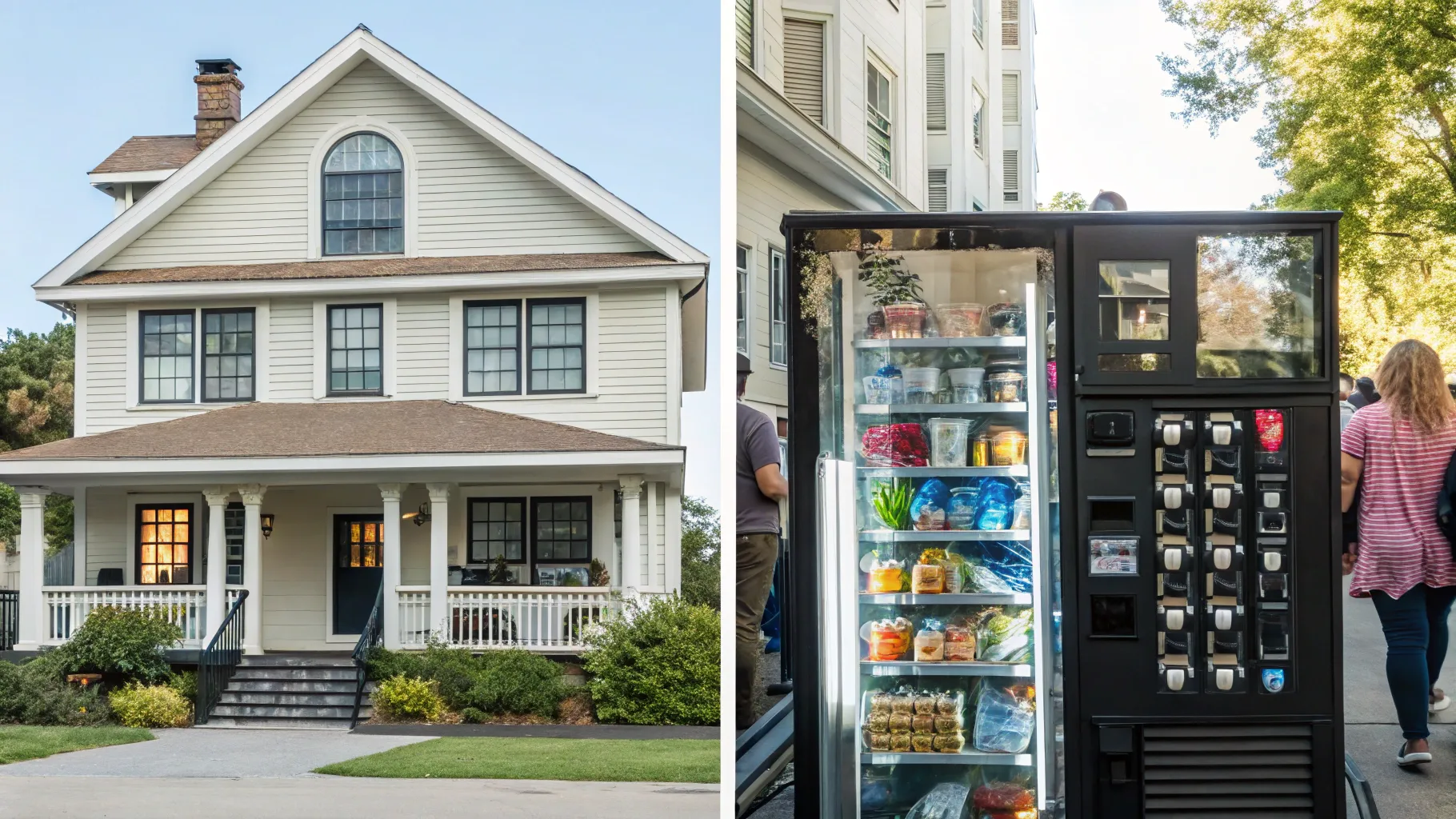
Many people, including myself, have explored rental properties as a source of passive income. While real estate remains a solid long-term investment, cash flow can be unpredictable and often delayed due to maintenance costs and market fluctuations. The COVID-19 pandemic and rising inflation have further complicated the profitability of rental properties in some markets.
In contrast, vending is an operating business that generates cash flow more immediately. It’s a practical side hustle or full-time venture that you can start while keeping your W2 job. Over time, you can scale your vending business to replace or supplement your income, providing a more predictable revenue stream than many real estate investments.
Expanding Beyond Vending: Opportunities in Unattended Retail
Once you’ve established a foothold in the unattended retail space, there are many adjacent business models to explore. For example, coffee vending or “coffee as a service” businesses provide recurring revenue by placing premium coffee machines in offices with 50+ employees. Employers typically cover the cost, paying per cup consumed, which creates a steady income stream without the complexities of traditional retail.
By starting with AI vending, you gain valuable operational experience and cash flow that can support expansion into other lucrative opportunities within the unattended retail ecosystem.
Getting Started and Next Steps
If you’re intrigued by the idea of building a semi-passive income with smart vending, the best way to move forward is by scheduling a discovery call with a Business Ownership Coach | Investor Financing Podcast expert who can walk you through the process. From choosing machines and locations to understanding SBA financing and tax strategies, personalized guidance will help you launch your business successfully and scale with confidence.
Remember, you don’t have to quit your day job immediately. This business is designed to be manageable alongside your current commitments, with the potential to grow into a full-time venture that replaces your W2 income.
Conclusion: Why AI Vending Is a Smart Choice for Aspiring Entrepreneurs
AI vending machines represent a breakthrough in the unattended retail industry. They combine the convenience of traditional vending with the power of artificial intelligence and computer vision to deliver a superior shopping experience and a more manageable business model for owners.
With minimal time commitment, scalable operations, tax advantages, and accessible financing, this business model is an excellent gateway for W2 workers and aspiring entrepreneurs who want to build wealth and create a legacy without the complexities of managing employees or heavy sales and marketing.
Whether you’re looking for a side hustle to supplement your income or a foundation to transition into full-time business ownership, smart vending is worth serious consideration. The future of retail is here, and it’s powered by AI.
For more information or to get started, consider reaching out to Beau Eckstein, an expert who can help you navigate the exciting world of AI vending business ownership.